15. January 2026
Admin
New Rotating Detonation Engine Could Transform Hypersonic Missile Propulsion
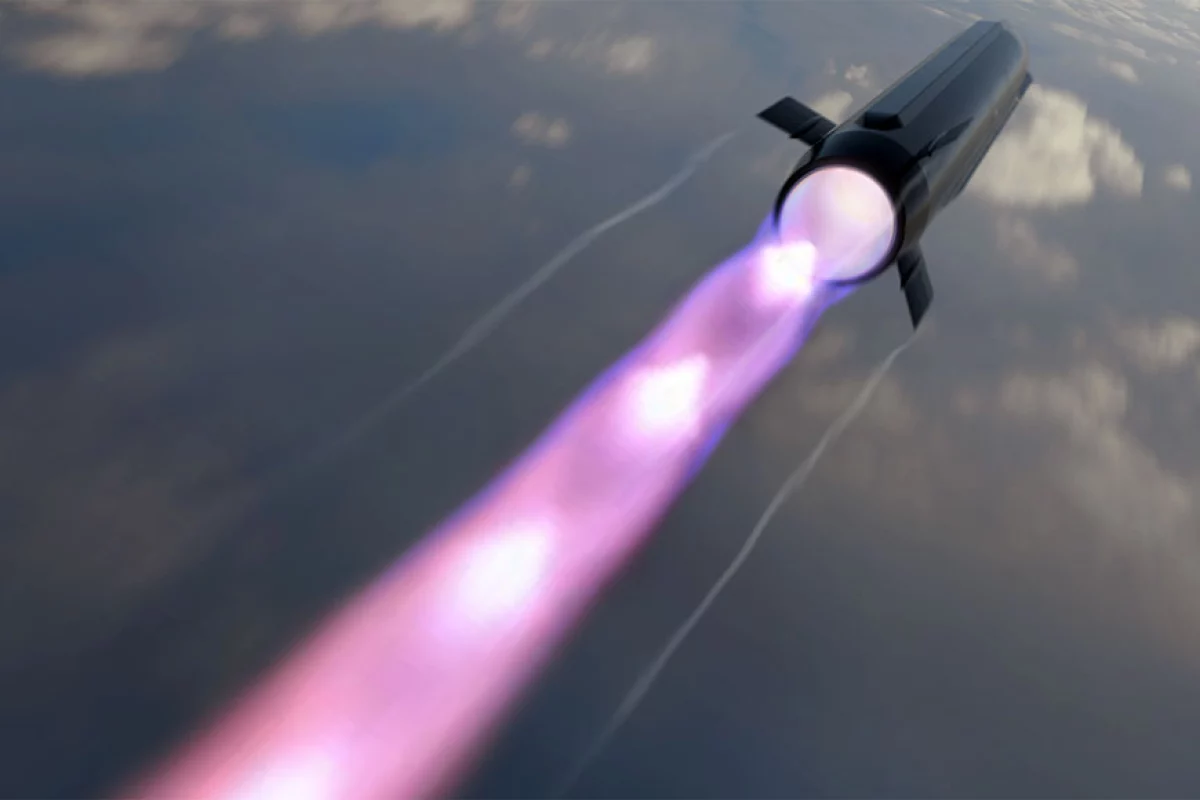
In January 2026, aerospace leaders demonstrated a prototype engine that combines **rotating detonation combustion** with advanced ramjet technology, signaling a breakthrough in hypersonic missile propulsion. This new approach could significantly boost efficiency and performance in missiles designed to travel at speeds greater than five times the speed of sound.
Quick Insight:
By harnessing continuous supersonic detonation waves instead of traditional combustion, the rotating detonation system promises more compact, lighter, and fuel‑efficient engines — a potential game‑changer for future hypersonic weapons.
How Rotating Detonation Works
• Unlike conventional engines that burn fuel steadily, this system uses a ring where fuel and air continuously detonate, creating intense pressure and heat.
• These detonation waves travel around the combustion chamber and produce thrust far more efficiently than traditional combustion cycles.
• The compact nature of the design allows for lighter engines with fewer moving parts.
Integration With Hypersonic Missiles
• The new engine design can act as both a ramjet and a scramjet, sustaining combustion from lower supersonic speeds into the hypersonic regime.
• Smaller rocket boosters are needed to reach ignition speed, reducing overall launch complexity.
• This dual‑mode capability enhances range and flexibility for hypersonic missiles.
Benefits Over Conventional Propulsion
• Greater fuel efficiency means missiles can travel farther or carry larger payloads.
• Reduced engine size and weight could lower production costs.
• Simpler designs with fewer mechanical components may increase reliability and ease of manufacturing.
• Potential for broader use in high‑speed aerospace platforms beyond weapons, including rapid tactical vehicles.
Industry and Strategic Implications
• The engine demonstration reflects intense global interest in hypersonic technology due to its strategic military importance.
• Enhancements in efficiency and performance may shift future defense capabilities.
• As countries race to field advanced propulsion systems, innovations like rotating detonation engines could set new standards for aerial speed and precision.
Final Thoughts
The emergence of rotating detonation propulsion marks a significant milestone in aerospace engineering. By pushing the limits of combustion and efficiency, this technology offers a promising path toward more effective hypersonic missiles and other high‑speed systems — potentially reshaping the technological landscape of modern defense and beyond.












.jpeg)






1.jpeg)