The Mathematics of Mass Surveillance
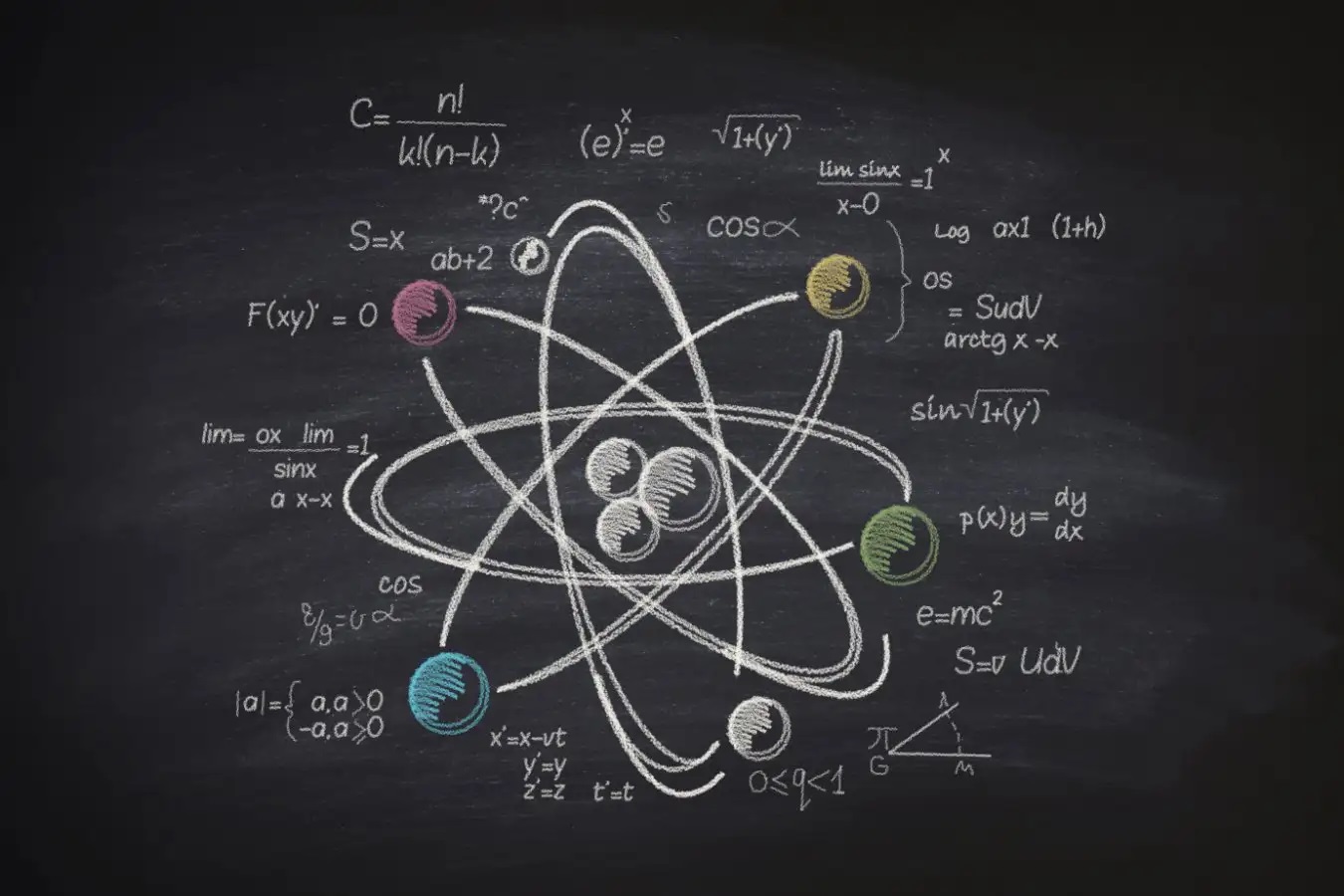
Modern mass surveillance is not driven by cameras alone — it is powered by mathematics. Hidden behind data centers and algorithms are statistical models that decide who is watched, flagged, or ignored.
1. Surveillance Is a Numbers Game
Governments and corporations cannot monitor everyone directly. Instead, they rely on probability, pattern recognition, and statistical inference to narrow billions of people down to “persons of interest.”
The bitter truth: surveillance doesn’t need certainty — it only needs likelihood.
2. Algorithms That Predict Behavior
Mathematical models analyze location data, communication patterns, purchases, and social connections. From this, they estimate intent, risk, and future behavior — often without human review.
Small correlations can be magnified into serious accusations.
3. False Positives at Scale
Even highly accurate systems fail when applied to massive populations. A 99% accurate model still mislabels millions when deployed nationally.
The bitter truth: innocent people are mathematically guaranteed to be flagged.
4. Optimization Over Justice
Surveillance mathematics is optimized for efficiency, not fairness. Algorithms are tuned to minimize cost, time, or risk — not to protect individual rights.
Human judgment is often removed because it slows the system down.
5. Feedback Loops That Lock People In
Once flagged, increased monitoring generates more data, reinforcing the model’s original suspicion. Escaping algorithmic attention becomes statistically difficult.
The bitter truth: being watched increases the probability of continued surveillance.
The Bitter Reality
Mass surveillance is not about watching everyone equally. It is about mathematically managing populations through probabilities, thresholds, and automated decisions.
Final Bitter Truth
When mathematics governs surveillance, privacy becomes a statistical error rather than a right. The bitter truth is that in a data-driven world, freedom can be reduced to a variable — and optimized away.










.jpeg)