08. January 2026
Admin
Judge Rules Elon Musk’s Lawsuit Against OpenAI Will Proceed to Trial
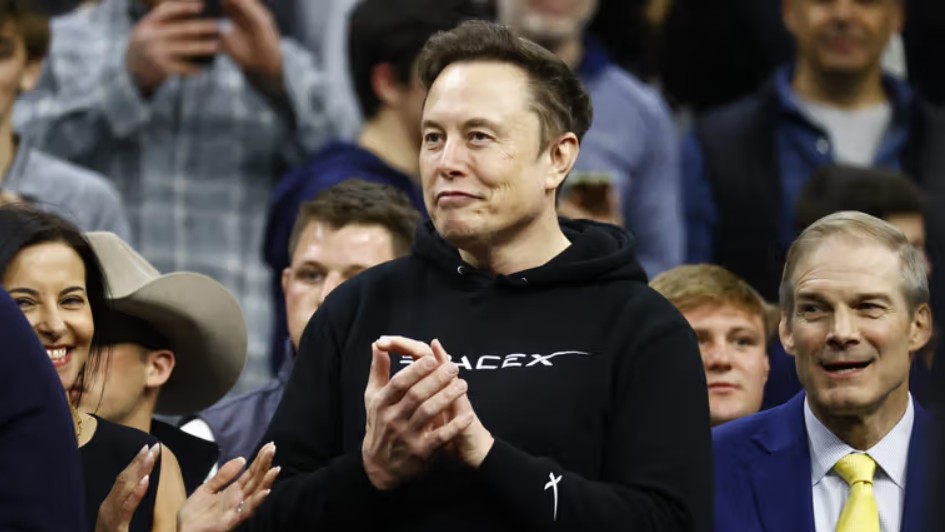
A federal judge has rejected efforts by OpenAI’s leadership to have Elon Musk’s lawsuit dismissed, paving the way for the case to move forward to a jury trial in March 2026. The decision marks a significant development in the high-profile legal battle between the AI pioneer and the company he helped co-found.
Quick Insight:
The judge’s ruling affirms that there is enough evidence for a jury to evaluate the core claims, including whether promises about OpenAI’s original mission were upheld as the company evolved.
Background to the Legal Fight
• Elon Musk filed the lawsuit in 2024, alleging that OpenAI and its CEO did not uphold commitments related to its founding mission when transitioning from a nonprofit research lab to a profit-oriented organization.
• The case centers on claims that Musk was misled about the direction of the company and that substantial contributions he made were premised on the belief that OpenAI would remain dedicated to broad societal benefit.
• OpenAI has denied these assertions, maintaining that its evolution was transparent and consistent with its goals in a rapidly changing technological landscape.
Judge’s Ruling and Trial Path
• During a federal court hearing, the judge ruled there is sufficient evidence to allow Musk’s claims to be decided by a jury, rejecting OpenAI’s motion to dismiss.
• The judge emphasized that factual disputes — especially around intent and communication about the company’s mission — are best resolved through trial.
• The case is now scheduled to proceed to a jury trial in March 2026, where both sides will present arguments and evidence before a panel of jurors.
Implications for OpenAI and the Tech World
• The decision to let the case go to trial shines a spotlight on governance and transparency in fast-evolving tech companies, especially those founded with lofty public-interest missions.
• A jury’s findings could have ramifications for how startups define and communicate their missions as they grow and adopt new business models.
• The trial also draws public attention to the broader competitive dynamics in the artificial intelligence sector, where rivalries between founders and emergent tech powers can extend into courtroom battles.
Final Thoughts
With the judge’s decision to move forward to trial, Elon Musk’s legal challenge against OpenAI and its leadership enters a critical phase. As the courtroom showdown approaches, the outcome may shape important precedents around founder expectations, corporate evolution, and governance in one of the most influential technology sectors of the decade.






.jpeg)