08. January 2026
Admin
Russia & Iran Turning to Crypto, Especially Stablecoins, to Navigate Sanctions
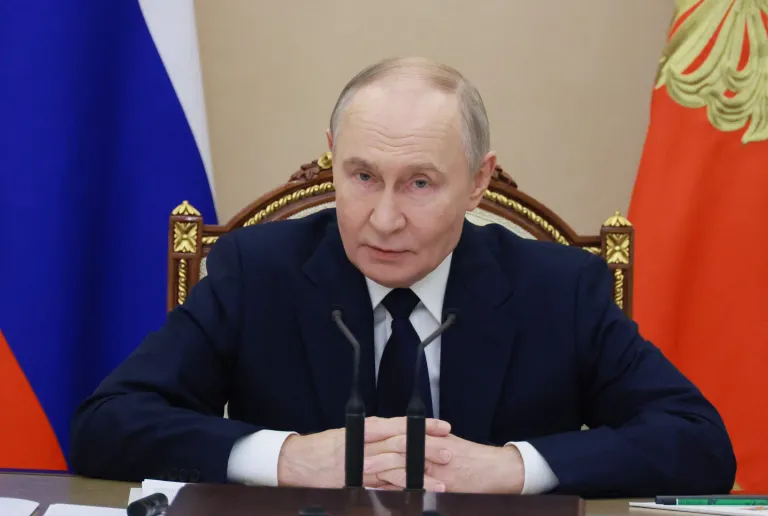
Russia and Iran are increasingly turning to cryptocurrency — particularly stablecoins — as tools to move money and settle cross-border transactions amid tightening Western sanctions. This shift highlights how digital assets are evolving from speculative instruments into strategic financial alternatives for sanctioned states.
Quick Insight:
Sanctioned countries are moving beyond experimental crypto use toward structured, large-scale adoption of blockchain-based payment tools.
Sanctioned States Embrace Blockchain Finance
• Crypto analytics data shows a sharp rise in digital asset flows linked to sanctioned entities, with Russia and Iran among the most active.
• What was once dominated by individuals and small groups is now seeing participation from state-linked actors moving significant volumes.
• This marks a transition of crypto into a geopolitical financial instrument rather than a fringe technology.
Russia’s Shift Toward Stablecoins
• Russia has legalized the use of crypto for international trade settlements under specific frameworks.
• The launch of a ruble-linked stablecoin has enabled faster and more predictable cross-border payments.
• Stablecoins are favored due to reduced volatility and efficiency compared to traditional cryptocurrencies.
Iran’s Expanding Crypto Networks
• Iran has increasingly relied on crypto channels to support trade and financial operations restricted by sanctions.
• Stablecoins allow for discreet value transfer without reliance on traditional banking infrastructure.
• This growing usage raises regulatory and enforcement challenges for international financial authorities.
Final Thoughts
The growing reliance of Russia and Iran on stablecoins underscores a broader transformation in global finance. While traditional currencies still dominate, digital assets are rapidly emerging as viable alternatives for countries seeking to reduce exposure to sanction-driven financial constraints.


.jpeg)





.jpeg)