06. January 2026
Admin
The U.S. Acquisition of 21 Russian-Made MiG-29 Fighters: A Cold War-Era Intelligence Move
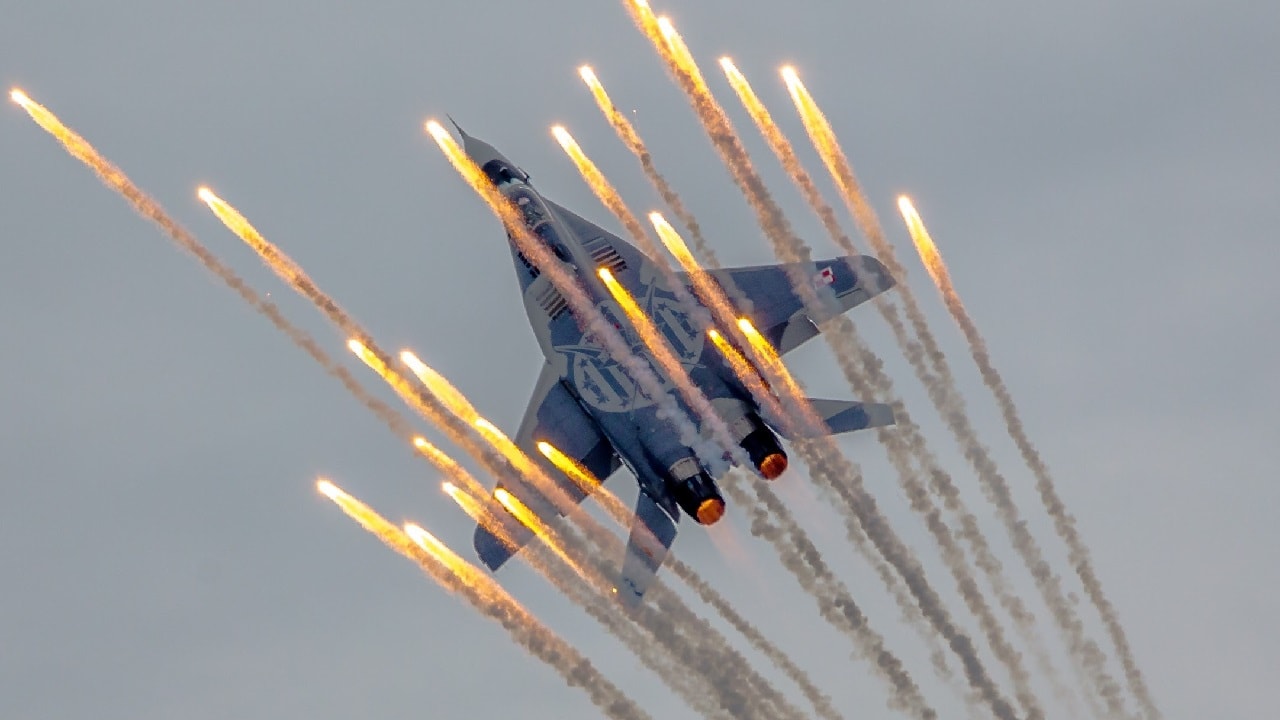
In an unusual chapter of post-Cold War history, the U.S. military quietly acquired a fleet of **21 Russian-designed MiG-29 Fulcrum fighter jets** in the late 1990s. Rather than buying them for front-line service, the goal was to keep advanced combat aircraft out of potentially hostile hands and to study their design and capabilities.
Quick Insight:
The deal took place at a time when former Soviet weapon systems were being sold off by newly independent states. By purchasing these jet fighters, the United States both blocked their potential sale to adversaries and gained valuable insight into one of the world’s most widely produced fourth-generation airframes.
Why the U.S. Bought the MiG-29s
• After the collapse of the Soviet Union, several Soviet military aircraft—including MiG-29 Fulcrum fighters—came up for sale in countries like Moldova, which inherited them.
• U.S. defense planners were concerned that these capable warplanes could be acquired by actors whose intentions might not align with Western security interests.
• By purchasing the jets, the United States effectively removed them from the global arms market and prevented possible proliferation to unfriendly states.
Details of the Acquisition
• The U.S. government bought 21 MiG-29s, including a mix of variants comprising air superiority and dual-seat training models.
• These fighters were transported to U.S. facilities where intelligence and technical analysis could be conducted.
• The acquisition included spare parts and missiles, which allowed for a more complete understanding of the aircraft’s systems and logistics footprint.
Strategic and Technical Value
• Analysts and pilots gained first-hand experience evaluating a core Soviet design that was widely operated globally, helping refine training and counter-air strategies.
• Understanding the Fulcrum’s strengths and limitations informed U.S. military planning, particularly in scenarios involving air engagements with non-NATO aircraft.
• Insights from the MiG-29s also contributed to training programs and “red air” exercises where familiarization with foreign fighters enhances readiness.
Final Thoughts
The U.S. purchase of 21 MiG-29 Fulcrum fighters remains a fascinating example of how military strategy can extend beyond conventional procurement. By securing advanced foreign aircraft at a critical moment, the United States not only mitigated proliferation risks but also enriched its own understanding of adversary technologies—lessons that continue to influence defense analysis and aircraft development today.










.jpeg)