06. January 2026
Admin
U.S. Expands Visa Bond Policy, Adds Seven More Countries
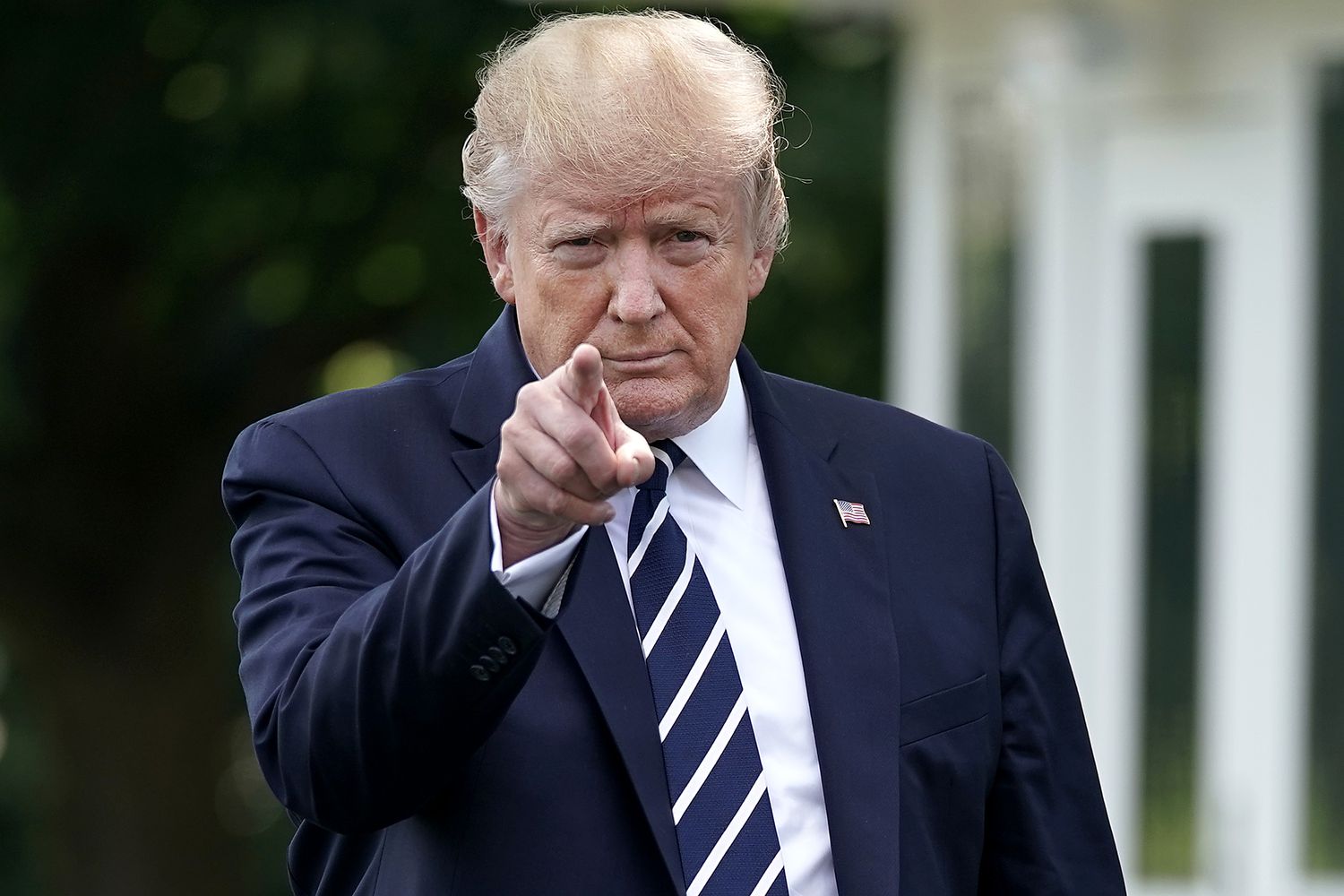
The United States has expanded its visa bond requirement, adding seven additional countries to a growing list of nations whose citizens must post significant refundable bonds before being considered for entry. The move reflects a broader effort to tighten immigration controls and discourage visa overstays.
At a Glance:
Passport holders from select countries are now required to post refundable bonds of up to $15,000 as part of the U.S. visa application process, making travel significantly more expensive for many applicants.
Newly Added Countries
The latest expansion brings the total number of affected countries to thirteen. The newly added nations include:
• Bhutan
• Botswana
• Central African Republic
• Guinea
• Guinea-Bissau
• Namibia
• Turkmenistan
How the Visa Bond System Works
• Visa applicants from designated countries may be required to post bonds ranging from $5,000 to $15,000.
• The bond is refundable if the visa application is denied or if the traveler fully complies with the terms of the visa.
• Payment of the bond does not guarantee visa approval and is only one part of the screening process.
Earlier Countries on the List
The new additions join several countries that were placed under the bond requirement in previous months, including:
• Mauritania
• Sao Tome and Principe
• Tanzania
• Gambia
• Malawi
• Zambia
Broader Immigration Tightening
• The bond policy is part of wider changes to U.S. visa rules, including mandatory in-person interviews for most applicants.
• Applicants are also required to disclose extended social media histories and detailed records of past travel and residence.
• U.S. officials argue these measures help improve compliance and reduce visa overstays.
Final Thoughts
With most of the affected countries located in Africa, the expanded visa bond requirement is expected to place a heavy financial burden on many prospective travelers. While authorities maintain the policy strengthens immigration compliance, critics warn it may effectively block legitimate travel for education, business, and tourism.