U.S. Troop Deployment in Venezuela: Challenges, Risks, and What Comes Next
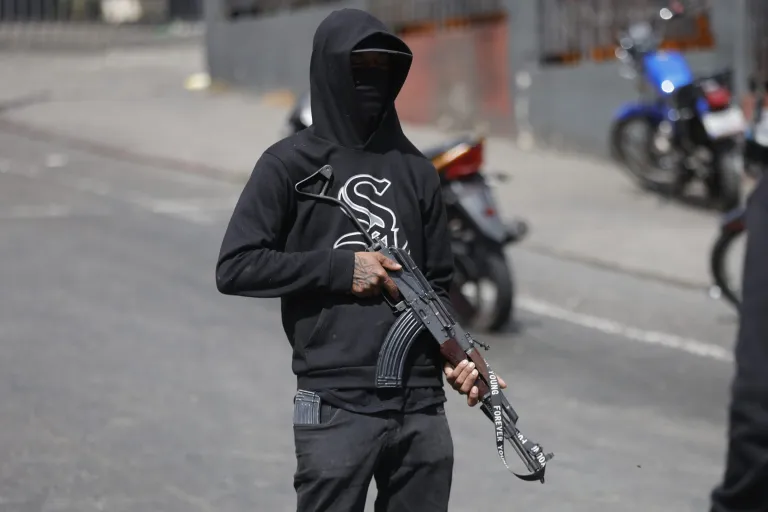
After U.S. military forces carried out a high-profile operation in Venezuela and captured President Nicolás Maduro earlier in January 2026, discussions have turned to whether American troops could be deployed on Venezuelan soil to support stability, protect forces, and aid reconstruction. Military analysts warn that such deployments come with significant strategic and security risks.
Quick Insight:
Stationing U.S. troops in Venezuela — even for protection or rebuilding efforts — could expose forces to insurgent attacks, urban combat risks, and resistance from local military and civilian groups, making any long-term mission complex and dangerous.
Why U.S. Troops Might Be Deployed
• U.S. political leaders have indicated that American forces might help oversee a transition period in Venezuela and protect key infrastructure, including energy assets and reconstruction projects.
• Statements from senior officials have left open the possibility of “boots on the ground” to ensure safety and order if the situation on the ground remains unstable.
• A military presence could also be used to deter counterattacks by remnants of the former regime or allied forces opposed to U.S. involvement.
Potential Security Challenges
• Experienced military analysts caution that Venezuela could quickly become a hostile environment for foreign troops, especially if loyalists, militias, or criminal groups mount resistance efforts.
• Urban insurrections, guerrilla warfare, and localized armed conflict — similar to past U.S. involvements in other countries — could make force protection extremely difficult.
• The Venezuelan military and security forces, which remain cohesive in some regions, might engage in irregular warfare rather than conventional battles, complicating U.S. mission goals.
Regional Implications
• Neighboring countries have reacted with concern over direct U.S. involvement inside Venezuela, with some governments reinforcing their own borders and calling for restraint.
• A visible foreign troop presence could shift regional alliances, provoke anti-American sentiment, and create diplomatic strains with countries that view intervention as a violation of national sovereignty.
• Humanitarian and refugee movements could increase if local populations feel caught between armed conflict and military occupation.
Operational and Logistical Considerations
• Deploying troops for extended missions would require significant logistical support, including supply lines, secure bases, and coordination with local authorities.
• Without broad local cooperation, U.S. military units could find themselves stretched thin, responsible for both protection and reconstruction tasks.
• Clear objectives, rules of engagement, and exit strategies would be essential to prevent a prolonged and costly foreign presence.
Final Thoughts
Sending U.S. troops into Venezuela presents profound strategic decisions: balancing the goals of stability and reconstruction with the potential for a protracted and hazardous military mission. As policymakers and military planners assess the situation, the possibility of insurgent resistance and the need for strong force protection measures highlight how complex and unpredictable such deployments can become.








.jpeg)