Earthquake Prediction Using Animal Sensors
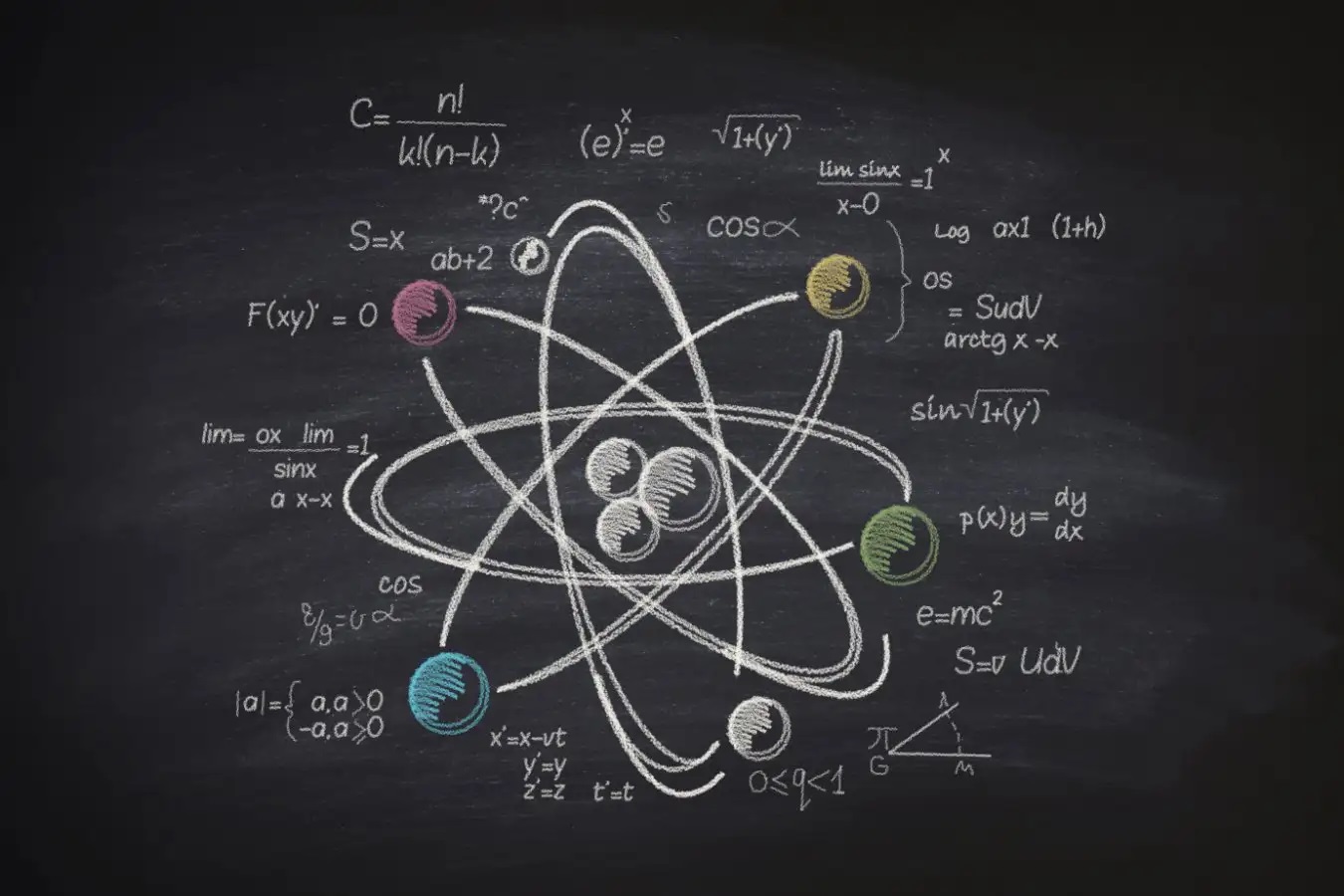
For centuries, animals have been observed behaving strangely before major earthquakes. Today, scientists are turning these observations into data by using animals themselves as living sensors, combining biology with modern technology to detect seismic events before humans can.
1. Why Animals React Before Earthquakes
Many animals can sense subtle ground vibrations, changes in electromagnetic fields, or gas releases that occur before seismic activity. These signals are often too weak or complex for conventional instruments to detect early.
The bitter truth: nature may detect disasters long before our machines do.
2. How Animal Sensor Systems Work
- GPS trackers and motion sensors monitor animal movement
- AI analyzes unusual behavioral patterns
- Data is combined with seismic and geological measurements
- Early warning signals are generated when anomalies align
The bitter truth: interpreting animal behavior is difficult and prone to false alarms.
3. Animals Commonly Studied
- Dogs and cats showing agitation or escape behavior
- Birds abandoning nesting areas
- Livestock becoming restless
- Underground animals reacting to soil vibrations
The bitter truth: animals don’t predict earthquakes — they react to precursors we barely understand.
4. Scientific Challenges
- Distinguishing seismic signals from normal behavior
- Ethical concerns around monitoring animals
- Limited predictability and regional differences
- Risk of public panic from inaccurate predictions
The bitter truth: false predictions could erode trust in real warning systems.
5. The Future of Earthquake Forecasting
Researchers aim to combine animal-based signals with satellite data, AI models, and traditional seismology to improve early warning accuracy.
The Bitter Reality
Using animals as sensors highlights both the limits of technology and the untapped intelligence of natural systems.
Final Bitter Truth
Earthquake prediction may never be exact, but animals could offer precious seconds or minutes of warning. The bitter truth is that survival may depend on listening to nature before disaster strikes.









.jpeg)