Lagos Students Locked Out of Computer Education Despite Billions Spent on ICT

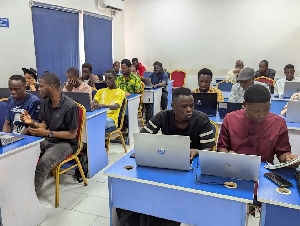
As Lagos markets itself as Nigeria’s technology hub, many public-school students are being left behind in the digital age. Despite substantial government investment in ICT infrastructure, classrooms remain under-equipped and pupils lack basic computer education opportunities.
Quick Insight:
Billions have been allocated to ICT infrastructure, but the benefits are not reaching most public-school students, limiting their access to essential digital skills.
1. A Growing Digital Divide in Public Schools
• Lagos has positioned itself as a leading tech centre, but most public schools lack functional computers.
• Many classrooms still rely on chalkboards rather than digital tools.
• Students who dream of careers in software, AI, and tech are unable to gain the skills needed to pursue them.
2. Infrastructure vs. Classroom Reality
• Government officials promote high-tech initiatives, but on the ground many schools have dilapidated or obsolete systems.
• Students are increasingly excluded from digital learning opportunities due to lack of equipment.
• The result is a stark contrast between policy ambitions and everyday schooling experiences.
3. Dreams Deferred by Limited Access
• Students like Faith Obugo, who aspire to become software engineers, struggle without access to computers.
• Lack of ICT exposure in early education limits students’ ability to compete for tech jobs or tertiary programs.
• This could slow the development of homegrown tech talent in Nigeria’s biggest economy.
4. Broken ICT Execution and Funding Gaps
• Large portions of allocated ICT budgets are not used effectively, with much of the spending focused on high-profile infrastructure rather than school-level tools.
• Experts argue that funding often bypasses the students and teachers who need it most.
• Poor implementation means that investment results do not translate into real classroom transformation.
5. Digital Access Inequality Across Lagos
• While elite schools sometimes enjoy computer labs and internet access, many students in low-income neighbourhoods lack even basic ICT tools.
• This inequality reinforces broader socioeconomic gaps.
• Even students who have some access at school may lack internet or devices at home.
Final Thoughts
Lagos’ ambition to lead Nigeria’s tech revolution is undermined by persistent digital exclusion in public education. Without targeted investment in classroom technology, teacher training, and equitable access, a generation of students risks being left on the wrong side of the digital divide — despite billions allegedly spent on ICT. Closing this gap is essential for preparing young Nigerians for the demands of the future workforce.