29. December 2025
Admin
Bottled Water Drinkers Ingest Tens of Thousands More Microplastics Annually
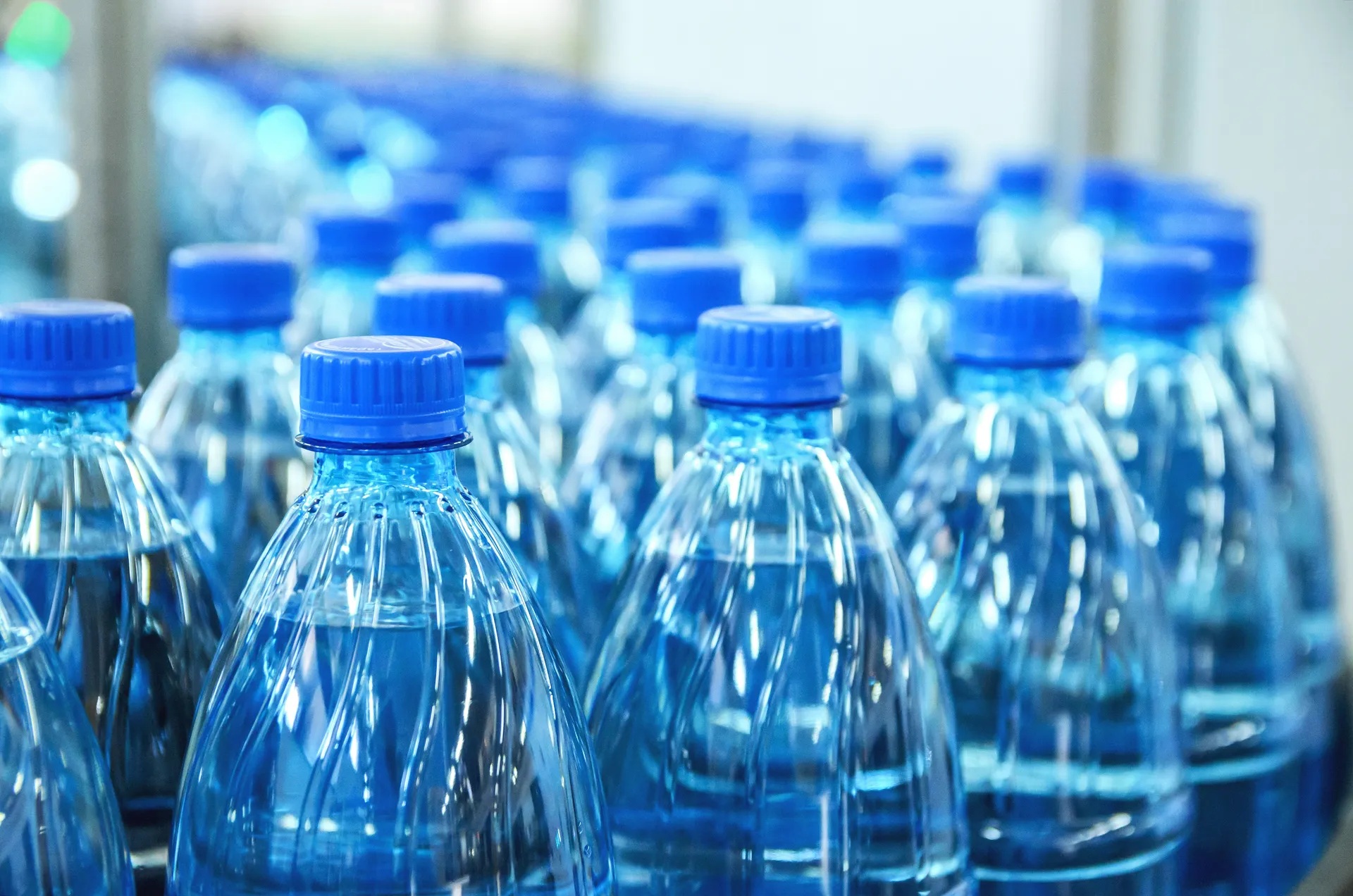
Daily consumption of bottled water can significantly increase a person’s intake of microplastics compared to drinking tap water. New research indicates that people who rely on bottled water ingest tens of thousands more plastic particles each year — raising concerns about potential health and environmental impacts.
Quick Insight:
Microplastics are tiny plastic fragments less than 5 millimeters in size. They can enter the body through food and drink, and while the long‑term effects are still being studied, higher exposure rates are prompting scientific and public attention.
1. How Microplastics Enter Bottled Water
• Plastic particles can shed from the bottle itself or from the bottling process.
• Packaging, caps, and transport can all contribute to microplastic contamination.
• Bottled water stored for long periods may acquire more particles over time.
2. Daily Consumption and Microplastic Intake
• People who drink bottled water every day may ingest tens of thousands more microplastics annually compared to those who drink mainly tap water.
• Daily habits add up: even small differences in particle counts per bottle can lead to large yearly totals.
3. Health and Scientific Concerns
• Scientists are still studying how microplastics affect human health.
• Some research suggests potential inflammation, disruption of gut bacteria, or chemical exposure risks.
• More long‑term studies are needed to understand cumulative effects.
4. Differences Between Bottled and Tap Water
• Tap water generally contains fewer microplastic particles than many bottled water brands.
• Water treatment facilities and regulations can reduce some contaminants, though not all microplastics.
5. What You Can Do
• Choose filtered tap water when possible to limit plastic exposure.
• Use reusable water bottles made from glass or stainless steel.
• Support environmental efforts to reduce plastic waste and improve water quality standards.
Final Thoughts
While bottled water remains popular for convenience, it may also be a significant source of microplastic exposure. As research continues on the health implications of these tiny particles, consumers and policymakers alike are exploring better ways to ensure clean, safe drinking water with minimal environmental impact.