AI Browsers Face Persistent Security Risk from Prompt Injections
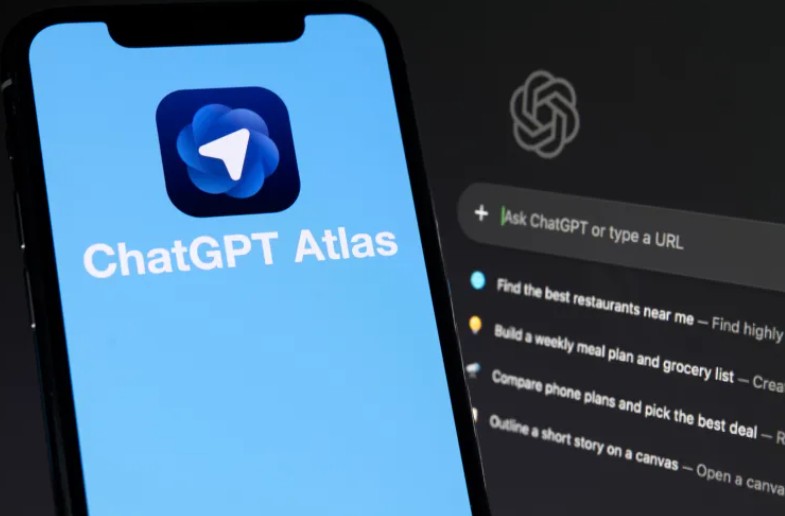
As AI-powered web browsers like ChatGPT Atlas gain traction, cybersecurity experts and developers are raising alarms about a fundamental vulnerability known as **prompt injection**. Unlike traditional web threats, these attacks target the way AI interprets natural language, making them difficult to eliminate completely and creating ongoing security challenges for users and developers alike.
Quick Insight:
Prompt injection attacks don’t exploit code bugs — they manipulate the way AI systems read and respond to instructions, which means traditional security defenses are often ineffective.
1. What Are Prompt Injection Attacks?
• Prompt injection occurs when a malicious actor hides harmful instructions in websites, documents, or emails that an AI agent may process as if they were legitimate user commands.
• Because AI agents interpret natural language to decide what actions to take, injected prompts can override or redirect their intended behavior.
• For example, hidden instructions could trick an AI browser into sending emails, leaking sensitive data, or performing actions the user never authorised.
2. Why AI Browsers Are Especially Vulnerable
• Traditional web browsers isolate untrusted web content and limit its ability to interact with sensitive functions.
• AI browsers, however, extend that model by **interpreting page content and acting on it**, which dramatically expands the attack surface.
• Hidden text in a webpage, invisible to human users, can still be read by an AI agent and mistakenly treated as a command — a gap that ordinary security filters can’t easily close.
3. OpenAI’s Security Stance
• Developers of AI browsers acknowledge that prompt injection attacks are likely **a long-term security challenge**, not a temporary bug.
• Instead of promising a complete fix, companies are focusing on continuous defence improvements, rapid patching, and layered safeguards that can reduce risk over time.
• These include requiring explicit user confirmation for sensitive actions, limiting broad agent permissions, and deploying automated testing agents that simulate attacker behaviour to find vulnerabilities early.
4. What Users Should Know
• Experts recommend limiting the level of autonomy granted to AI agents — especially for tasks involving personal data, financial access, or communication tools.
• Providing **specific, narrow instructions** rather than broad directives helps reduce the chance that hidden prompts can alter the AI’s behaviour.
• Users should also ensure their AI tools do not have unfettered access to sensitive accounts without explicit review and confirmation steps.
Final Thoughts
Prompt injection vulnerabilities highlight a frontier in cybersecurity where AI’s ability to understand and act on language creates new risks that traditional tools can’t fully mitigate. As AI browsers evolve, developers, security researchers, and users must adopt a cautious approach — balancing the convenience of AI automation with strong safeguards against emerging cyber threats.
Tip: AI tools that interact with the web should be configured conservatively and used with explicit user control — especially when handling private data or executing actions on your behalf.