Thunderbird: A New Commercial Space Station Poised for 2029 Launch
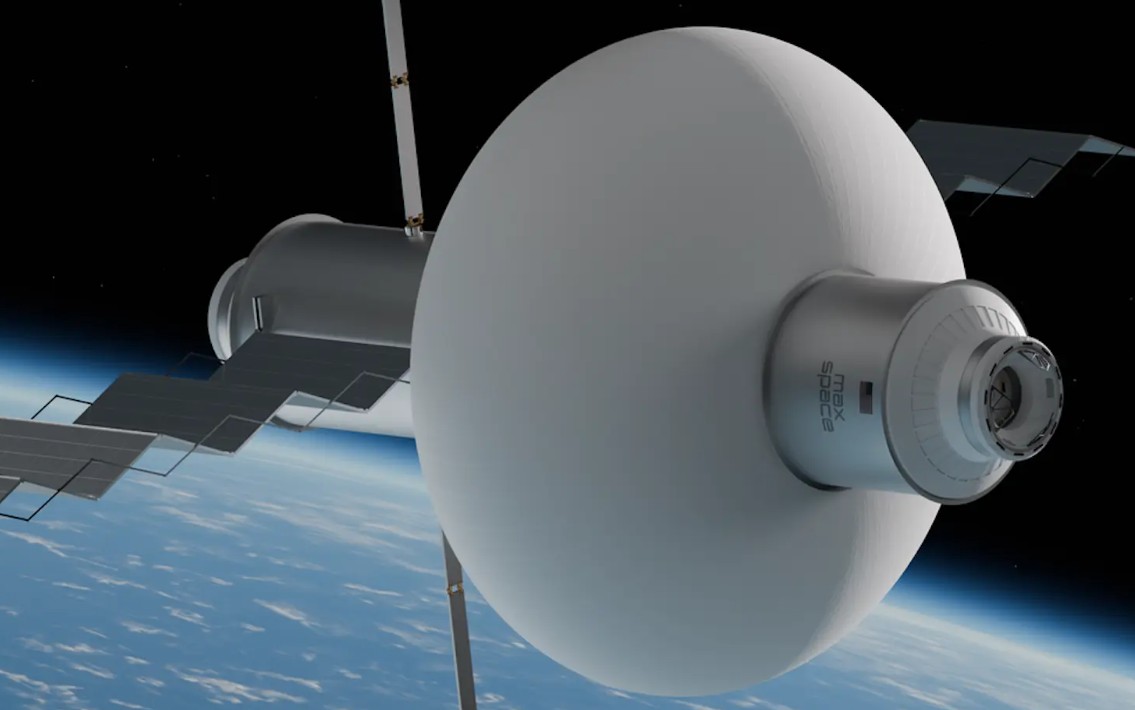
A groundbreaking commercial space station concept called **Thunderbird** is gaining momentum as part of the next generation of orbital habitats. Developed by an American startup, Thunderbird is designed to be launched in a single rocket flight and deployed in orbit, offering a flexible and cost-effective alternative to traditional modular space stations.
Quick Insight:
Thunderbird’s innovative expandable design lets it fit into a single launch vehicle — unlike conventional stations that require multiple missions to assemble in space — potentially reshaping how humanity builds habitats in low Earth orbit.
1. A Single-Launch Space Habitat
• The Thunderbird station is engineered to be compact for launch and then expand once in orbit to create a large internal volume.
• Its design could eliminate the need for multiple assembly missions, greatly reducing the cost and complexity of building a space station.
• This approach marks a significant departure from traditional space station construction, which typically involves dozens of launches over many years.
2. Capacity and Configuration
• Thunderbird is planned to support a crew of up to four astronauts on a long-term basis, with accommodation for more during shorter stays.
• The station’s interior is designed to be **reconfigurable**, allowing the crew to adapt living and work spaces for various activities like scientific research, manufacturing, or relaxation.
• This morphic interior concept gives mission planners flexibility for different mission priorities.
3. Prototype Mission and Timeline
• A prototype module — often referred to as **Mission Evolution** — is scheduled for launch around **2027** to test key systems including life support and debris protection.
• If early tests succeed, the full Thunderbird station could be deployed by **2029**, potentially joining a post-International Space Station era of commercial orbital destinations.
• These milestones position Thunderbird as an early private competitor in a new wave of orbital habitats, alongside other commercial station projects.
4. Beyond Low Earth Orbit
• While the initial focus is on low Earth orbit, developers envision Thunderbird technology supporting future missions near the Moon and even Mars.
• Its adaptable structure could serve as a foundation for long-duration crew habitats or waystations in deep space explorations.
• This long-term vision aligns with broader plans for sustained human presence beyond Earth.
Final Thoughts
Thunderbird represents a bold step in commercial space infrastructure, combining cost-efficiency with functional versatility. Its single-launch deployment and reconfigurable interior could redefine what a space station looks like in the coming decade, supporting research, innovation, and space industry growth well into the future.
Tip: As space exploration evolves, commercial space stations like Thunderbird could shape how humanity lives and works in orbit — opening up new opportunities for research, industry, and even leisure in space.










.jpeg)