South Korea Secures Approval to Build Nuclear-Powered Submarines
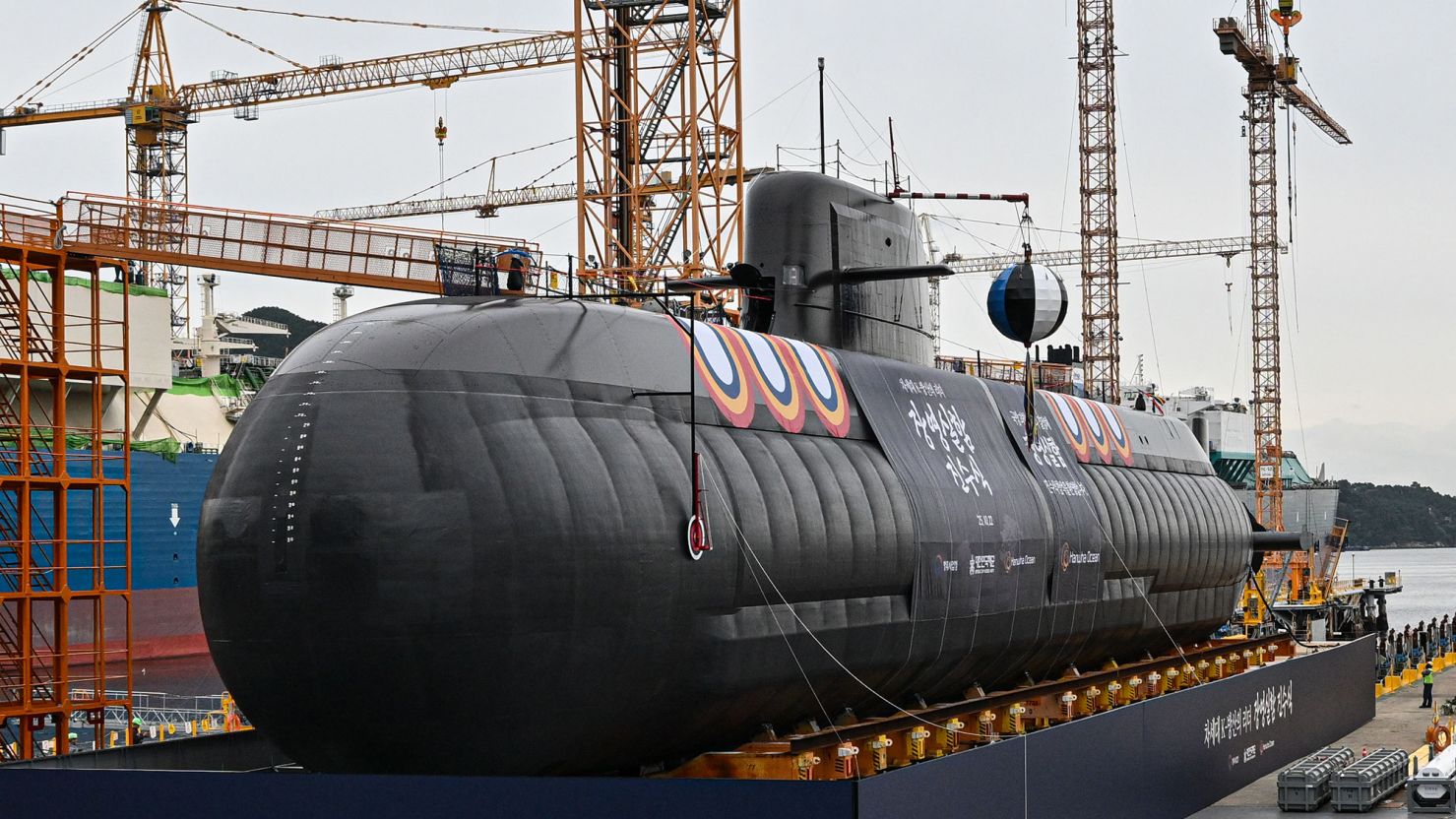
South Korea has received authorization to develop nuclear-powered submarines, a significant step toward joining the exclusive group of nations with advanced undersea capabilities. The move aims to enhance Seoul’s ability to monitor and counter submarine activity from neighboring countries, while also easing operational burdens on allied naval forces.
Quick Insight:
Nuclear-powered submarines can remain submerged for extended periods, operate at higher speeds, and offer quieter performance compared to diesel-electric subs, giving a strategic edge in regional waters.
1. Strategic Advantages for South Korea
• The submarines would allow continuous monitoring of North Korean and Chinese undersea operations, enhancing deterrence.
• By strengthening South Korea’s naval capabilities, the nation becomes a more capable security partner within regional alliances.
• The move could also free allied nuclear submarines to focus on hotspots like the South China Sea and Taiwan.
2. Industrial and Economic Impacts
• Building nuclear-powered submarines would generate high-paying jobs in both South Korea and allied shipbuilding facilities.
• South Korea has proven capacity to construct large diesel-electric submarines, making the transition to nuclear propulsion feasible.
• The program could stimulate advanced workforce training and technology development in shipbuilding.
3. Technical Challenges Ahead
• Converting existing submarine designs to nuclear propulsion is complex and could take over a decade.
• Infrastructure upgrades, secure nuclear fuel supply, and specialized facilities are required for safe construction.
• International cooperation will be critical, balancing domestic industrial benefits with reliance on allied expertise.
4. Implementation and Production Plans
• Discussions are ongoing about where to build the submarines, with both domestic shipyards and allied facilities considered.
• Modular construction may involve parts being manufactured in South Korea and integrated with nuclear propulsion systems in allied yards.
• Final deployment will depend on regulatory approvals, technical reviews, and completion of shipyard modernization projects.
Final Thoughts
South Korea’s pursuit of nuclear-powered submarines represents a transformative step in regional naval capabilities. While the program will take years to realize, it promises strategic advantages, industrial growth, and stronger defense cooperation, reinforcing the country’s role as a key security provider in East Asia.
Tip: Nuclear-powered submarines offer extended operational capabilities but require advanced infrastructure, long-term planning, and careful international collaboration for safe and effective deployment.















.jpeg)