Earthquake-Triggered Tsunamis From Melting Ice
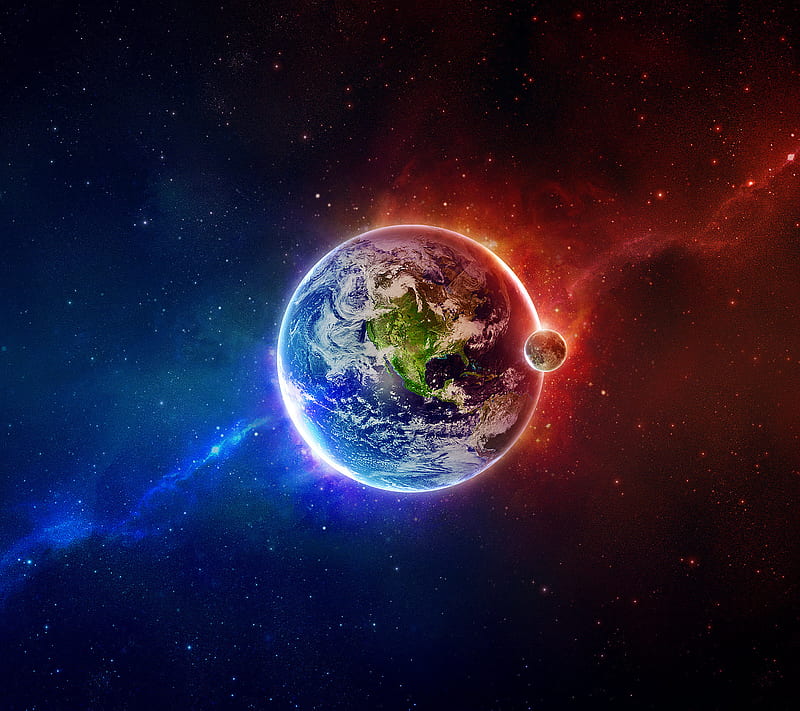
Rapid glacial melting is destabilizing mountain slopes and oceanic crust, increasing the risk of earthquakes and tsunamis. As ice retreats, it reduces pressure on Earth's crust, triggering seismic activity in previously stable regions. These events can generate devastating tsunamis, threatening coastal communities worldwide.
1. How Melting Ice Triggers Seismic Events
The weight of glaciers suppresses underlying tectonic activity. As ice melts, the release of pressure — known as isostatic rebound — can cause earthquakes. Subsea landslides induced by melting ice can further amplify tsunami risks.
The bitter truth: climate change is silently increasing natural disaster risks in unexpected ways.
2. Factors Contributing to Tsunami Risk
- Rapid glacial retreat in polar and high-altitude regions
- Melting ice destabilizing sediment and slopes
- Seismic activity amplified by shifting ocean loads
- Rising sea levels increasing tsunami reach and impact
These factors create a complex and underappreciated hazard, combining climate change with geophysical instability.
3. Human and Ecological Impacts
Coastal populations are at risk of sudden flooding, destruction of infrastructure, and loss of life. Ecosystems, fisheries, and wetlands can be devastated, with long-term recovery taking decades.
The bitter truth: communities far from glaciers may still face catastrophic consequences of melting ice.
4. Scientific Monitoring and Challenges
Predicting these events is difficult due to the interplay of ice melt, tectonics, and ocean dynamics. Scientists use satellite data, seismographs, and modeling, but uncertainties remain high.
5. The Bitter Reality
Earthquake-triggered tsunamis from melting ice illustrate how climate change interacts with natural hazards, producing unexpected and deadly risks.
The bitter truth: melting ice is not only raising seas but is also quietly setting the stage for disasters that could strike with little warning.
Final Bitter Truth
The link between glacial melt, earthquakes, and tsunamis reveals a hidden environmental peril. The bitter truth is that climate change is reshaping Earth’s geophysical stability, creating crises that threaten both human and ecological survival.





















































.jpg)