“Heat Domes” Over Continents Explained
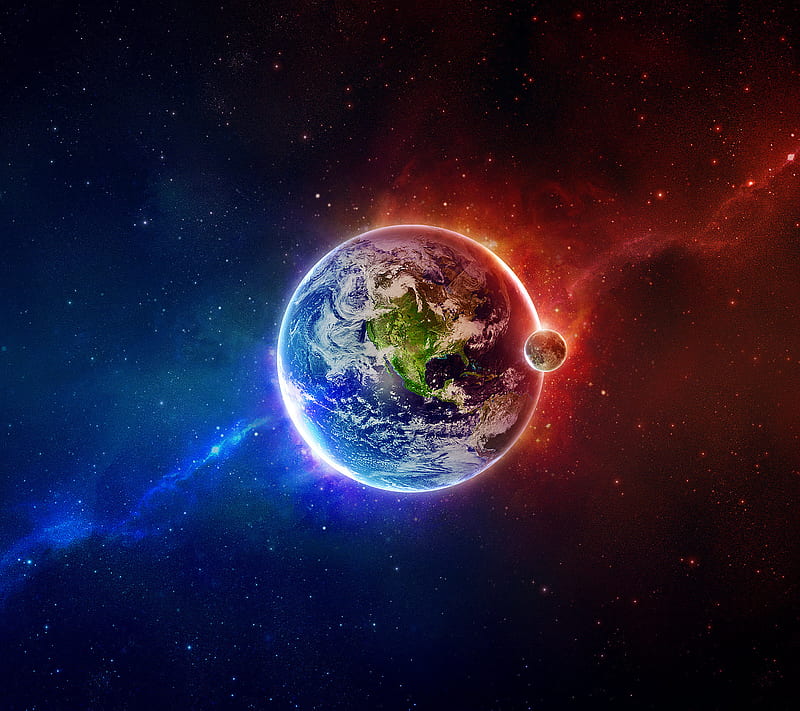
During extreme summer events, vast regions of land can experience prolonged, intense heat trapped under a “heat dome.” These high-pressure systems prevent air from rising, suppress cloud formation, and lock in scorching temperatures. Heat domes have become more frequent and severe, wreaking havoc on people, ecosystems, and infrastructure.
1. What Is a Heat Dome?
A heat dome forms when a strong high-pressure system stalls over a region. Air descends, compresses, and heats up, creating a lid that traps hot air near the surface. Unlike normal heatwaves, a dome can persist for days or even weeks, intensifying the danger.
The bitter truth: heat domes turn familiar landscapes into extreme, life-threatening environments.
2. Causes and Climate Connections
- Jet stream disruptions can stall high-pressure systems
- Climate change increases the likelihood of extreme temperature extremes
- Urban heat islands exacerbate effects in cities
- Drought conditions intensify the trapped heat
The combination of global warming and atmospheric dynamics makes heat domes increasingly persistent and deadly.
3. Impacts on Human Health and Society
- Heat stress and heatstroke rise dramatically
- Power grids are overloaded due to air conditioning demand
- Crop failures threaten food security
- Wildfires ignite more easily in overheated regions
The bitter truth: modern infrastructure and human systems are often unprepared for the intensity of these extreme events.
4. Ecological Consequences
Wildlife suffers as water sources dry up, habitats overheat, and food chains collapse. Rivers warm, insects die, and ecosystems reach critical stress thresholds.
5. The Bitter Reality
Heat domes illustrate how atmospheric patterns can amplify climate change effects. When these domes form, the land beneath suffers compounding impacts from heat, drought, and human pressure.
The bitter truth: prolonged heat is not just uncomfortable — it is deadly, destructive, and accelerating.
Final Bitter Truth
“Heat domes” over continents expose the stark reality of a warming world. The bitter truth is that as climate change continues, these extreme events will increase in frequency and severity, challenging human resilience, ecosystems, and the ability to adapt in time.



.jpeg)