Earth’s Tilt and Future Climate Shifts
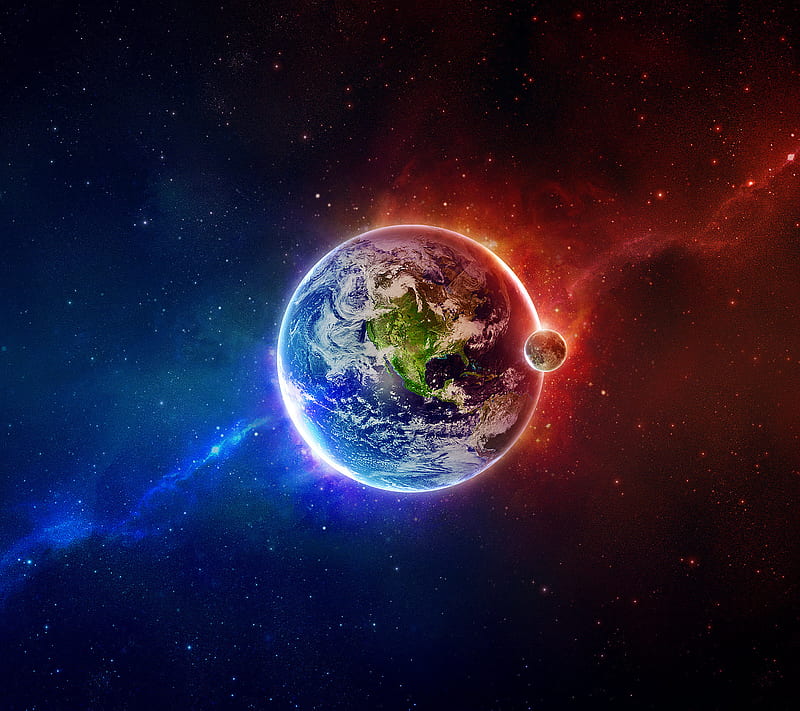
Earth’s climate is shaped not only by greenhouse gases and oceans, but also by the planet’s orientation in space. The tilt of Earth’s axis — subtle yet powerful — governs seasons, sunlight distribution, and long-term climate patterns. As this tilt slowly changes over thousands of years, it can trigger profound shifts in global climate, reshaping ecosystems and human civilizations.
1. What Is Earth’s Tilt?
Earth is tilted at about 23.5 degrees relative to its orbit around the Sun. This tilt causes the seasons by determining how sunlight is distributed across the planet throughout the year. Even small changes in this angle can alter temperature patterns, ice formation, and rainfall on a global scale.
The bitter truth: climate stability depends on a delicate balance that exists far beyond human control.
2. How Tilt Changes Over Time
Earth’s tilt is not fixed. Over tens of thousands of years, it oscillates slightly due to gravitational interactions with the Moon and other planets. These shifts are part of natural climate cycles that have contributed to past ice ages and warming periods.
These slow changes influence how much sunlight reaches polar regions versus the equator, affecting ice sheet growth, sea levels, and atmospheric circulation.
3. Climate and Environmental Impacts
- Altered seasonal intensity across regions
- Expansion or retreat of ice sheets
- Shifts in rainfall patterns and monsoon systems
- Ecosystem migration and adaptation stress
While these processes unfold slowly, their impacts accumulate over time, leaving lasting imprints on landscapes and life on Earth.
4. Human Influence Complicates the Picture
Today, human-driven climate change is occurring far faster than natural tilt-driven cycles. The combination of rapid greenhouse gas emissions and long-term orbital changes creates uncertainty about future climate behavior.
The bitter truth: humanity is layering rapid climate disruption onto slow, natural planetary shifts.
5. The Bitter Reality
Earth’s tilt reminds us that climate change is not driven by a single factor. It is the result of interacting systems — cosmic, atmospheric, and human — that together shape the planet’s future.
The bitter truth: ignoring long-term planetary forces while accelerating short-term warming increases the risk of unpredictable and irreversible climate outcomes.
Final Bitter Truth
Earth’s tilt and future climate shifts reveal a humbling reality: the planet’s climate is influenced by forces both ancient and ongoing. The bitter truth is that while Earth’s orbital changes are inevitable, humanity’s current impact is optional — and how we act now will determine whether future shifts are manageable or catastrophic.