The US isn’t attacking Venezuela because of drugs — it’s because of minerals
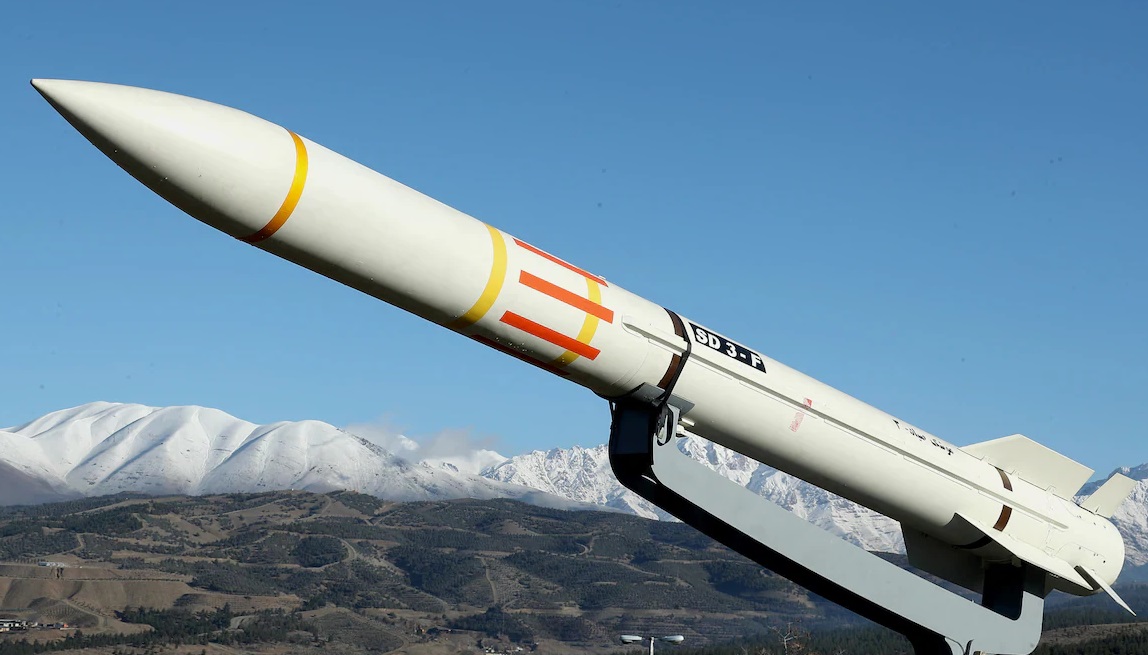
Venezuela is at the centre of an intensifying geopolitical focus as shifting U.S. strategy toward the country raises questions about the role of its vast natural resources — from oil to strategic minerals — in shaping foreign policy and international relations.
Quick Insight:
While official narratives emphasise concerns about narcotics trafficking and democracy, Venezuela’s extensive resource wealth — including oil, bauxite, gold, and other minerals — is widely seen as a key factor in geopolitical considerations.
1. Venezuela’s Vast Natural Resource Base
• Venezuela sits on some of the world’s largest proven crude oil reserves, representing a massive share of global hydrocarbons.
• Beyond oil, the country also holds rich deposits of minerals such as bauxite, coltan, gold, iron ore, and other strategic commodities that are increasingly critical for advanced technologies and energy transition supply chains.
• These resources give Venezuela potential economic leverage and attract international interest from energy firms, manufacturing sectors, and strategic investors.
2. Geopolitical Competition and Resource Access
• The presence of abundant oil and mineral wealth has long made Venezuela a focal point for global powers seeking energy security and supply chain diversification.
• U.S. involvement in the region is often framed around countering rival influences and securing economic advantages, particularly in arenas where resource access intersects with broader strategic interests.
• As global demand grows for minerals used in technologies like renewable energy, electronics, and defence, control over resource‑rich regions has become a central element in national strategies.
3. Strategic Military and Diplomatic Moves
• Recent increased military presence in nearby waters, economic sanctions, and active diplomatic engagement reflect a combination of security priorities and resource considerations.
• Military deployments and mitigation measures are often explained as efforts to disrupt illicit trade and narcotics networks, but critics argue these actions also serve to apply pressure in negotiations over resource access or political outcomes.
• Such dynamics highlight how economic, military, and political tools are intertwined when national interests revolve around valuable natural assets.
4. What This Means for Global Markets
• Disruptions or changes in Venezuela’s ability to export oil or develop minerals could have ripple effects on global supply chains and pricing, especially in sectors dependent on these inputs.
• Investors and industry observers are watching how political stability, sanctions policy, and foreign investment rules affect long‑term resource development.
• The balance between sanctions, economic openness, and geopolitical bargaining will play a key role in shaping future energy and commodity markets.
Final Thoughts
Venezuela’s abundant natural resource base — from massive oil reserves to strategic minerals — places it at the intersection of global economic interests and geopolitical strategy. How the United States and other world powers engage with the country may be shaped not only by political and security considerations but also by the significant value these resources hold for future industry, energy security, and technological advancement. Understanding this broader context helps explain why Venezuela continues to draw intense focus on the international stage.
Tip: When analysing international relations, consider how natural resources intersect with political strategy and economic security — this often shapes long‑term global alliances and tensions.



1.jpeg)




























.jpg)