Nvidia CEO Jensen Huang says people need to find success in traditional factory jobs again
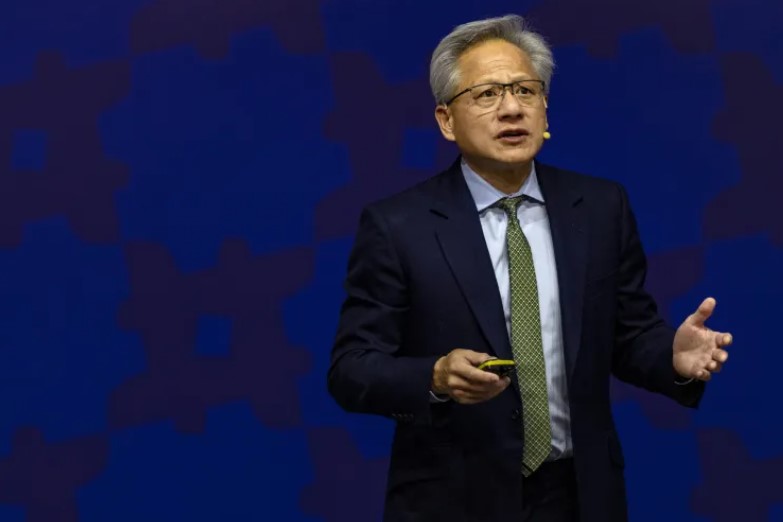
The CEO of a major tech company has sparked discussion with a message that success is not limited to advanced degrees or elite academic paths. In remarks aimed at students, young professionals, and today’s workforce, he emphasised the value of practical skills, dedication, and a diversity of career choices — including traditional factory and skilled trades roles.
Quick Insight:
This perspective challenges conventional wisdom that a doctoral degree or Ivy League education is the only road to achievement, highlighting a broader view of what it means to build a meaningful and successful career.
1. Success Without a PhD
• The CEO underscored that many successful professionals never earned advanced academic degrees, pointing out that real‑world experience, curiosity, and resilience often matter more than credentials.
• He encouraged young people not to feel pressured into pursuing a PhD simply because it’s seen as prestigious, reminding them that passion and purpose can be cultivated through many paths.
• This approach acknowledges that academic achievement is only one of several avenues to a fulfilling professional life.
2. Championing Skilled and Factory Jobs
• Alongside comments about academic paths, he highlighted that traditional jobs — including working in factories, skilled trades, and hands‑on technical fields — remain vital and can offer meaningful success.
• In an era where digital skills and automation dominate headlines, he reminded audiences that industries spanning manufacturing, infrastructure, and applied sciences still rely on human talent, precision, and dedication.
• By elevating these roles, he aimed to broaden the definition of professional achievement beyond desk‑based or research‑intensive careers.
3. Work Ethic and Resilience as Keys to Success
• The CEO also shared his belief that consistent effort, a strong work ethic, and perseverance are foundational to long‑term achievement.
• He has repeatedly emphasised that facing challenges and embracing hard work — even without early success or glamour — builds character and increases the likelihood of fulfillment later in life.
• For students and professionals alike, this mindset places personal growth, discipline, and adaptability at the centre of career development.
Final Thoughts
The message from this tech leader serves as a reminder that there is no single blueprint for success. Whether through vocational training, hands‑on trades, or advanced degrees, individuals can find meaningful work by following their strengths and embracing continuous learning. In an ever‑changing economy, confidence, curiosity, and resilience remain among the most valuable attributes one can develop.
Tip: When planning your future, consider your strengths and interests alongside educational and professional options — success can come from many directions.


















1.jpeg)





















.jpg)