12. December 2025
Admin
Trump Signs Executive Order Centralizing AI Regulation and Limiting State AI Laws
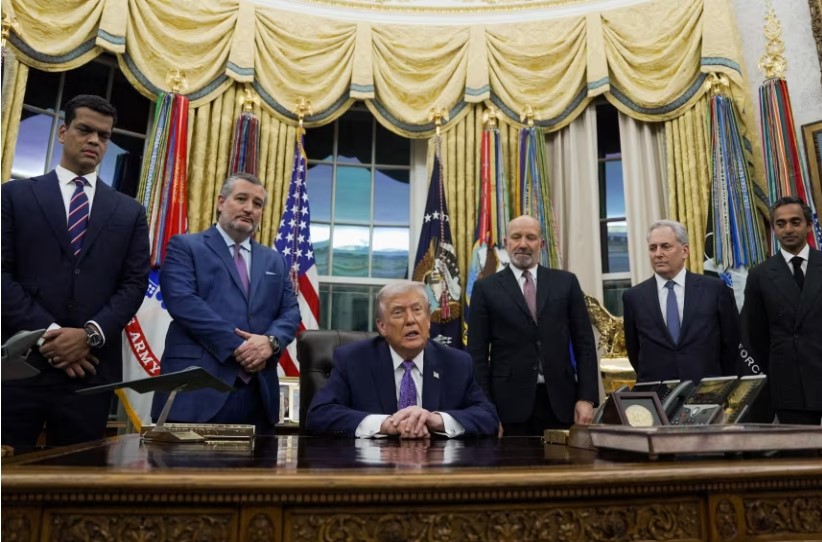
On December 11, 2025, President Donald Trump signed a highly anticipated executive order aimed at creating a **national AI regulatory framework** and limiting the ability of individual states to implement their own artificial intelligence laws. The move reflects the administration’s effort to unify oversight and reduce what it calls “unnecessary regulatory patchwork” as the U.S. competes globally in AI development.
Quick Insight:
The order directs federal agencies to challenge or preempt state AI regulations that conflict with federal policy, and it gives new authority to limit certain federal funding to states whose laws are viewed as excessively restrictive.
1. Why the Order Was Issued
• The White House argues that allowing each state to set its own AI rules — from algorithmic fairness mandates to data-handling controls — could create a burdensome mosaic of laws that slows innovation.
• The goal is to ensure a **single nationwide standard** that fosters U.S. competitiveness and simplifies compliance for companies developing AI technologies.
• Supporters say this federal approach helps maintain national leadership in a rapidly evolving tech landscape.
2. Key Provisions of the Order
• Establishes a special **AI Litigation Task Force** within the Department of Justice to challenge state laws seen as conflicting with federal policy.
• Directs the Commerce Department to evaluate existing state AI regulations and identify laws that could be preempted.
• Allows federal agencies to consider withholding certain discretionary funding — such as broadband and infrastructure grants — from states whose AI laws are judged to be onerous.
• Calls for future legislation to establish a permanent, uniform national AI policy framework.
3. Reactions & Controversies
• Some state leaders argue that local AI protections — like transparency requirements and anti-discrimination rules — are necessary to protect consumers and workers.
• Critics say the order risks undermining states’ rights and public safety safeguards that could emerge in the absence of federal legislation.
• Supporters in the tech industry see the unified framework as essential to reducing compliance costs and encouraging innovation.
Final Thoughts
This executive order marks a significant shift in how AI will be governed in the U.S. — prioritizing a centralized federal approach over state-by-state variations. As lawmakers and courts begin to review the order’s implications, debates over innovation, consumer protection, and states’ autonomy are likely to intensify in 2026 and beyond.
Tip: If you’re following AI policy or regulatory trends, pay attention to how this order influences state legislation, legal challenges, and future federal AI laws — it could reshape the tech landscape for years.





































.jpg)