Sam Altman Issues Stark Warning on AI — What It Could Mean for Jobs & Our Future

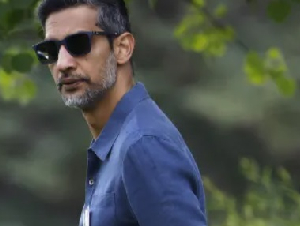
Sam Altman — leader of the world’s top AI lab — has been sounding the alarm: as AI systems grow rapidly more powerful, the pace of change may up‑end how we think about work, jobs, and human value. He says many of today’s roles could disappear or transform dramatically — and society must prepare now.
Quick Insight:
According to Altman, AI’s rise could automate a huge portion of routine work — but it could also unlock new kinds of jobs and open the door to previously impossible innovations. It’s a pivotal moment: adapt or risk being left behind.
1. How AI Could Disrupt Jobs — What Altman Warns About
• Many tasks that make up current jobs — especially repetitive or routine ones (customer‑service, basic coding, data entry, etc.) — may be done by AI soon.
• Some entire categories of jobs could vanish. Altman argues that what counts as “work” is evolving, and jobs considered standard today may feel outdated in the near future.
• Beyond software: as AI‑driven robotics and automation advance, even manual and physical jobs may face disruption.
• This isn’t gradual change — the speed of AI progress makes this transformation likely to happen within years, not decades.
2. Why Altman Thinks This Isn’t the End of Work — But a Shift
• He believes many jobs will change, not disappear — AI may handle the routine, leaving humans to focus on creative, interpersonal, strategic, or ethical roles.
• New jobs and industries may emerge — especially ones built around managing, training, or collaborating with AI; developing new tech; or solving problems AI can’t address.
• He encourages people to grow “meta‑skills” — learning how to learn, adapt, think creatively, and collaborate — rather than rely solely on fixed job skills.
• For those willing to adapt, AI could be an opportunity for bigger impact, more meaningful work, and new kinds of innovation.
3. What This Means for Students & Young People
• Choosing education or training focused purely on tradition may be risky — courses should emphasise adaptability, creativity, problem‑solving, and digital skills.
• Learning to use AI tools, understanding tech, and building flexible mindsets may become more valuable than ever.
• Soft skills — communication, critical thinking, empathy, collaboration — and capacity to innovate or manage change may distinguish future workers.
• Being open to multiple career paths (not just one profession) might be smart — versatility could be a major asset in the shifting landscape.
Final Thoughts
Altman’s message is cautionary — but not hopeless. AI is transforming work fast, and society must adapt. For students, job‑seekers, and young people especially, those who stay flexible, keep learning, and focus on value‑added skills may thrive. The future may be uncertain — but also full of opportunity for those ready to grow.
Tip: Keep building versatile and creative skills, stay updated on tech — and view AI not just as a threat, but a tool to redefine work and purpose.






































.jpg)