Japan Strengthens Rare-Earth Supply Chain with Lynas Partnership
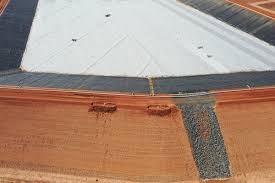
As global pressure grows over China’s dominance in rare-earth minerals, Japan has quietly secured a significant alternative supply chain — importing heavy rare-earths from Lynas, the largest rare-earth producer outside China. This move could reshape how industries around the world source critical minerals for EVs, electronics, and green energy.
Quick Insight:
By diversifying supply beyond China, Japan aims to ensure stable access to essential rare-earth minerals for motors, magnets, renewable energy and technology, even amid global trade tensions.
1. What Changed — Heavy Rare-Earths Now From Lynas
• For the first time, Japan is importing heavy rare-earth minerals (like dysprosium and terbium) produced by Lynas from Australia and refined abroad — breaking part of China’s long-standing dominance.
• This supply chain shift is backed by investment and import agreements between Japanese firms and Lynas, signaling long-term strategic commitment.
• Heavy rare-earths are critical for producing high-performance magnets — used in electric vehicles, renewable-energy devices and high-tech manufacturing.
2. Why This Matters — For Japan & Global Industries
• Reduces risk: Japan’s industries no longer rely solely on one country (China) for rare-earth supply — lowering chances of supply disruption from export restrictions.
• Stability for EVs & green tech: As demand for electric vehicles and clean-energy systems rises globally, stable access to rare-earths becomes more important than ever.
• Encourages diversification: Other nations may follow Japan’s example — pushing to build or secure rare-earth supply chains outside dominant players.
• Industrial resilience: With diversified sources, industries can plan long-term growth without fearing sudden mineral export bans or shortages.
3. What’s Next — What to Watch For
• Expansion of Lynas’s heavy rare-earth output — increased volume could make supply more widely available outside Japan.
• Other countries replicating the model — securing rare-earth sources from non-China producers for their supply-chain security.
• Potential pressure on rare-earth prices globally — diversification might ease bottlenecks, but demand remains high due to EV and green-tech growth.
• Increased investment in alternative materials, recycling, and refining outside China — aiming to reduce global dependency on a single supply-chain hub.
Final Thoughts
Japan’s move to lock-in heavy rare-earth supply from Lynas is a strategic pivot with global implications. As the world races toward electric vehicles, renewable energy, and high-tech manufacturing, reliable access to rare-earth minerals becomes essential. Diversified supply — away from geopolitical uncertainties — could help shape a more stable, resilient future for industries everywhere.
Tip: As global demand for EVs and renewable energy grows — tracking rare-earth supply developments (like this one) is crucial. Diversified supply chains may offer better long-term stability than reliance on a single source.




















.jpeg)





















.jpg)