AMD Launches New EPYC Embedded Chips — Venice, Fire Range & Annapurna Target Enterprise & Edge Markets
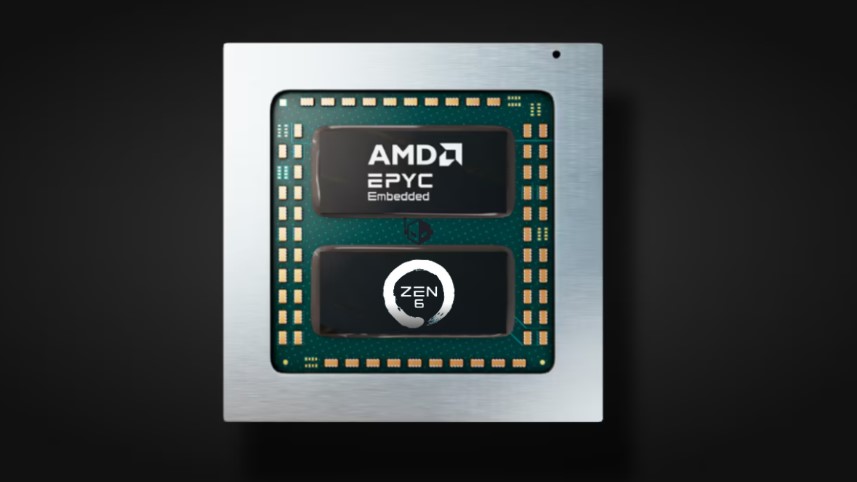
AMD has expanded its EPYC Embedded lineup with three new series — “Venice,” “Fire Range,” and “Annapurna” — bringing server-class performance to embedded, edge, networking, and industrial applications. With new architectures and modern I/O support, these chips aim to redefine what “embedded” hardware can do.
Quick Insight:
Whether for telecom, data-centres, edge computing or industrial control systems — Embedded Venice and its siblings could deliver powerful, efficient, and flexible solutions with significantly improved performance-per-watt and I/O bandwidth.
1. EPYC Embedded Venice: High-End Embedded Server Class
• Supports up to 96 “Zen 6” cores — offering strong multi-threaded performance even for heavy workloads.
• Equipped with modern connectivity: PCIe Gen6 and DDR5 / MRDIMM memory support for high bandwidth and throughput.
• Built for demanding embedded, edge-server and networking tasks: ideal for storage controllers, edge-AI, telecom infrastructure, and data pipelines.
• Delivers a balance of raw compute power and power/thermal efficiency — making server-class performance accessible in embedded systems.
2. EPYC Embedded “Fire Range” — Mid-Tier Embedded Options
• Offers up to 16 “Zen 5” cores — a lighter, more efficient option for mid-range embedded workloads.
• Targets use-cases like networking appliances, storage devices, industrial controllers where full server-class power isn’t needed.
• Maintains solid I/O support and power efficiency — balancing cost, performance, and energy use.
3. Annapurna — Low-Power, Specialized Embedded Solutions
• Designed for highly integrated, power-efficient embedded applications: routers, security appliances, edge-computing nodes, network control planes, etc.
• Focuses on performance per watt and cost-efficiency, ideal for always-on devices and constrained form factors.
• Provides a flexible, scalable x86 option for system designers who need reliability, long next-gen support, and embedded-device durability.
4. What This Shift Means for Embedded & Edge Markets
• Embedded devices and edge servers can now rival traditional data-centre hardware — enabling localized AI workloads, high-speed storage, and advanced networking in compact formats.
• Organizations building infrastructure — telecom operators, cloud providers, industrial automation firms — get more flexibility with power, cost, and space demands.
• Greater core counts, modern I/O and memory standards could push embedded platforms into real heavy-duty server/compute roles.
• This may accelerate transitions to edge computing, decentralized data centers, and on-premise high-performance infrastructure.
Final Thoughts
AMD’s new EPYC Embedded Venice, Fire Range, and Annapurna series mark a clear move: embedded hardware doesn’t have to be low-power or low-performance anymore. With server-grade cores and modern I/O, embedded systems are stepping up — whether for AI at the edge, storage, networking, or industrial automation. It’s a big leap for hardware designers, and an exciting time for industries relying on high-performance embedded solutions.
Tip: If you plan to build networking, storage or edge-AI gear — consider evaluating Venice or Fire Range chips once they launch. Their mix of cores, I/O bandwidth and efficiency could offer exceptional value compared to traditional server or embedded options.
















1.jpeg)
























.jpg)