Mark Zuckerberg Pulls Back on the Metaverse — Meta Slashes Budget After $70 B Loss
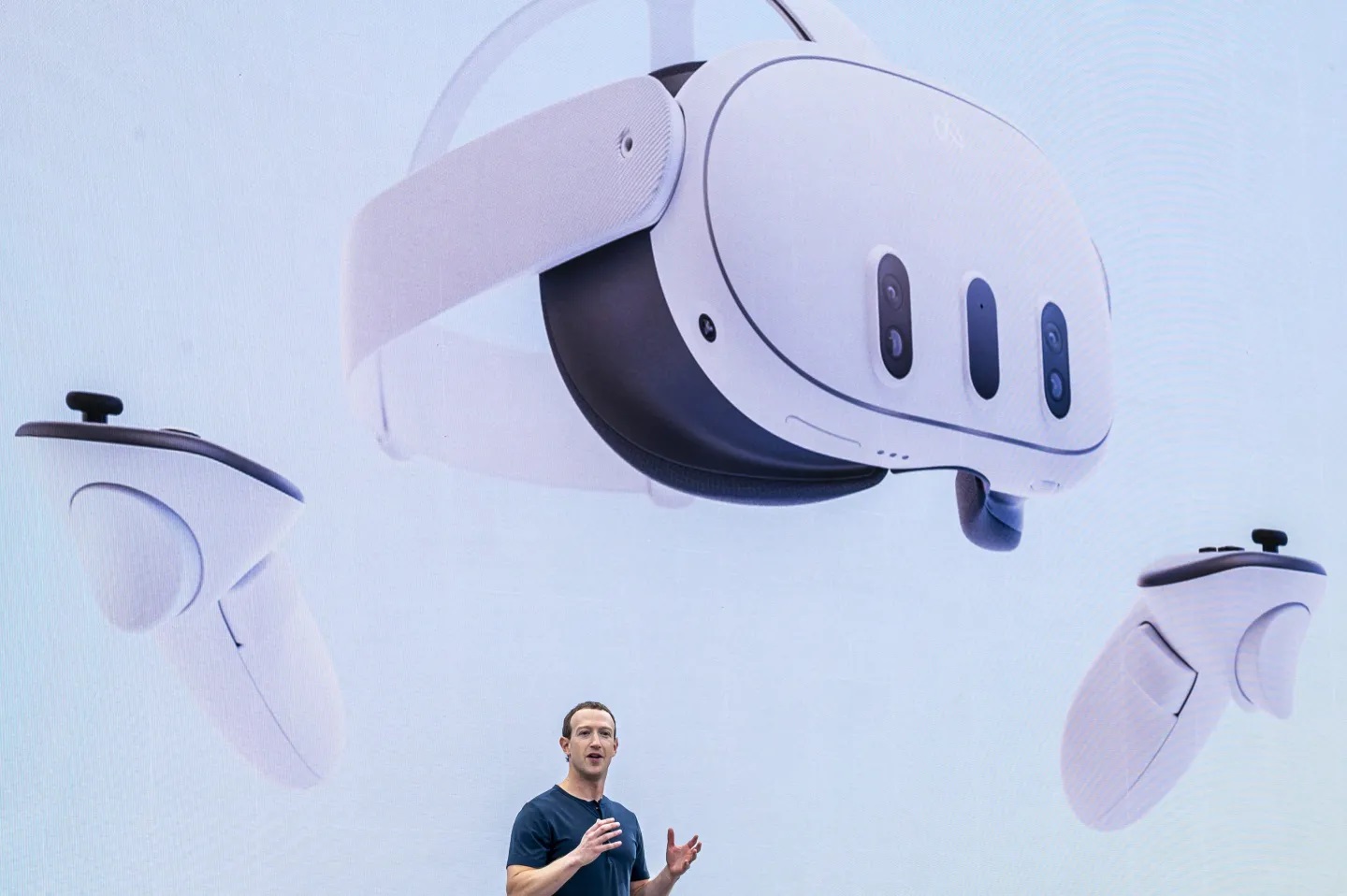
Once the future-defining bet of Facebook-turned-Meta, the metaverse has now become one of tech’s costliest experiments: losing over $70 billion without delivering the user growth or revenue expected. Now, Meta is reportedly cutting up to **30% of its metaverse budget** — a dramatic shift away from a vision that once defined the company’s future.
Quick Insight:
The move signals that even bold, futuristic tech bets aren’t immune to reality checks. Meta is now prioritizing what investors care about — clear returns — and pivoting toward more promising areas like AI, wearables, and practical hardware with immediate demand.
1. What Went Wrong With the Metaverse Bet
• Since 2021, Meta’s “Reality Labs” — the division behind metaverse platforms, VR headsets, avatar worlds and related hardware — has burned through **more than $70 billion**.
• Despite huge investment, many users never adopted Meta’s virtual-world platforms; engagement remained small, and content was often limited to niche apps or games.
• The VR/AR hardware (headsets, devices) proved expensive, bulky, or inconvenient compared with everyday devices — making mass adoption difficult.
• As a result, the “value proposition” for most users never materialized — no clear reason to ditch phones or laptops for virtual reality.
2. What Meta Is Doing Now: Budget Cuts & Strategic Shift
• Meta is preparing to slash up to **30% of its metaverse-related spending** in 2026 — covering its VR world platform (like Horizon Worlds), its hardware unit (Quest VR headsets), and related projects.
• This could result in layoffs or project cancellations as early as January.
• Instead, the company plans to re-allocate resources toward more promising efforts: AI development, AI-powered wearables such as smart glasses, and hardware with broader market potential.
• From name change to rebrand, and now re-prioritisation — the metaverse may no longer be the centre of Meta’s strategy.
3. What This Means for Tech & Users
• The metaverse hype may slow — fewer big new virtual-world launches or VR-focused investments.
• Users expecting futuristic virtual reality social life or widespread immersive worlds might have to wait longer — or reconsider whether those experiences will ever go mainstream.
• Meta’s pivot to AI and wearable tech could bring more accessible, practical innovations: AI-powered glasses, better AI services, and technologies with real everyday use instead of speculative virtual worlds.
• Investors and industry watchers may treat “metaverse-style bets” with caution now — preferring projects with clearer paths to revenue or impact.
Final Thoughts
The fall of Meta’s metaverse dream is a big moment for tech: it shows that vision alone can’t guarantee success. For companies — and for all of us watching — it’s a reminder that technology needs real value and adoption, not just hype. As Meta shifts toward AI and practical hardware, the future may still be full of innovation — but perhaps less flashy “virtual-world promises,” and more useful tools grounded in reality.
Tip: If you had high hopes for consumer VR/AR or metaverse-style social platforms — temper expectations for now. Instead, watch out for emerging AI-powered wearables and tech that may bring more practical value to daily life.
















1.jpeg)