Earthquake Swarms Beneath Supervolcanoes
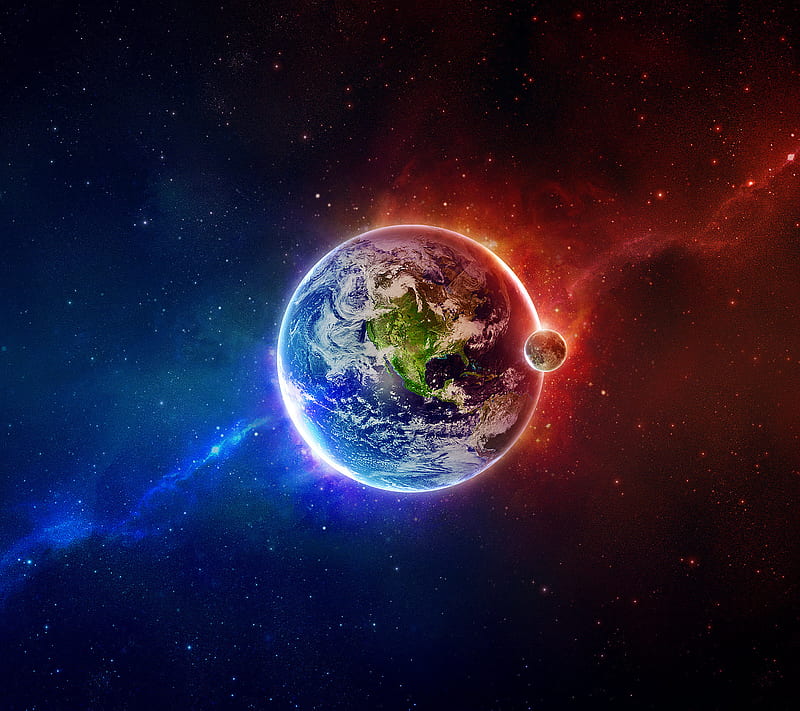
Deep beneath the Earth’s surface, some of the most powerful and potentially catastrophic volcanoes are silently stirring. Known as supervolcanoes, these geological giants are capable of eruptions thousands of times larger than ordinary volcanoes. Scientists monitor them closely because clusters of small earthquakes, known as
earthquake swarms, often indicate magma movement and stress changes in the crust — the hidden pulse of a potentially world-altering eruption.
1. What Are Earthquake Swarms?
Earthquake swarms are sequences of numerous tremors occurring in a specific area over a short period. Unlike typical earthquakes, which often have a single large shock followed by aftershocks, swarms consist of multiple small to moderate quakes without a clear mainshock. Beneath supervolcanoes, these swarms are caused by:
- Movement of magma through cracks in the crust
- Pressure changes as gases accumulate in underground magma chambers
- Heating and expansion of surrounding rock
These tremors can last days, weeks, or even months, slowly weakening the ground above massive magma reservoirs.
2. Global Examples
- Yellowstone, USA: Earthquake swarms beneath Yellowstone’s caldera have been recorded for decades. While an eruption is not imminent, the swarms reveal constant magma movement beneath the surface.
- Campi Flegrei, Italy: This supervolcano near Naples shows frequent swarms, causing the ground to bulge and posing evacuation challenges for millions.
- Toba, Indonesia: Historical data from this massive caldera indicate that earthquake swarms precede changes in magma pressure that could trigger eruptions.
- Taupo, New Zealand: Swarms here have been linked to hydrothermal activity and magma migration beneath the caldera.
3. Potential Consequences of a Supervolcanic Eruption
- Local Destruction: Cities and towns near the supervolcano could be buried under meters of ash and pyroclastic flows.
- Global Climate Impact: Volcanic ash and sulfur dioxide ejected into the atmosphere could block sunlight for months or years, leading to crop failures and famine worldwide — a phenomenon known as a “volcanic winter.”
- Mass Displacement: Millions could be forced to flee as ash clouds and lava destroy homes, infrastructure, and farmland.
- Economic Collapse: Global trade, agriculture, and industry could face unprecedented disruption, affecting billions of people.
4. Scientific Challenges
Predicting supervolcanic eruptions is extremely difficult. Earthquake swarms signal unrest but do not indicate exact timing. Some swarms may subside without an eruption, while others precede massive events by weeks or even decades. Scientists use a combination of seismic data, ground deformation measurements, gas emissions, and historical studies to assess risk, but uncertainty remains high.
5. The Bitter Reality
Humanity is largely powerless against supervolcanoes. While earthquake swarms are monitored as warning signs, the sheer scale of these eruptions makes mitigation almost impossible. Evacuation plans for millions of people are daunting, and global food systems could collapse in the aftermath. Unlike hurricanes or earthquakes, supervolcanoes can reshape the climate and ecosystems worldwide.
These earthquake swarms are not random; they are the Earth’s warning signals — subtle tremors hinting at forces that could rewrite history. The ground beneath us may seem stable, but beneath supervolcanoes, it is anything but.
Final Bitter Truth
Earthquake swarms beneath supervolcanoes are a silent yet terrifying reminder of our vulnerability. These tremors hint at the hidden energy stored deep within the Earth, energy capable of unleashing global devastation. The bitter truth: civilization is living atop ticking time bombs, and the next supervolcanic eruption could change the planet forever.







.jpeg)