The Oxygen Depletion Crisis in Oceans
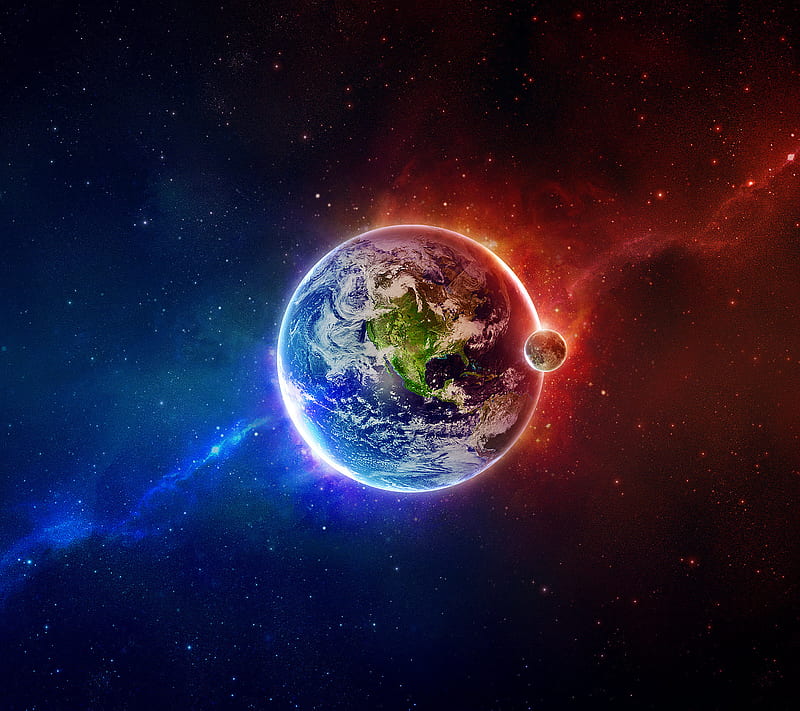
Oceans, which cover over 70% of Earth’s surface, are losing their oxygen at an alarming rate. This oxygen depletion, known as hypoxia, is creating “dead zones” where marine life struggles to survive. The crisis is largely invisible to the general public but has devastating implications for biodiversity and human food systems.
1. What Causes Oxygen Depletion?
Oxygen in the ocean comes from the atmosphere and from photosynthetic organisms like phytoplankton. Several factors are depleting this vital resource:
- Nutrient pollution from fertilizers, sewage, and industrial runoff leads to algal blooms that consume oxygen when they decay.
- Rising ocean temperatures reduce oxygen solubility in water. Warm water holds less oxygen than cold water.
- Ocean stratification, caused by climate change, prevents oxygen-rich surface water from mixing with deeper layers.
The combination of these factors is creating a feedback loop, worsening oxygen loss globally.
2. Dead Zones and Their Expansion
Dead zones are areas of the ocean where oxygen levels are so low that most marine life cannot survive. Currently, over 700 dead zones exist worldwide, covering more than 245,000 square kilometers. Some of the largest include the Gulf of Mexico, the Baltic Sea, and the Chesapeake Bay.
These zones have expanded rapidly over the past decades due to human activity and climate change, silently destroying marine ecosystems and the livelihoods that depend on them.
3. Impact on Marine Life
Fish, crustaceans, mollusks, and other marine organisms cannot survive in hypoxic waters. Many species are forced to migrate, often to crowded areas, increasing competition and mortality. Coral reefs and seagrass beds suffer, leading to biodiversity collapse. Entire food webs are being disrupted, and local extinctions are rising.
Large-scale oxygen loss also alters ocean chemistry, affecting nutrient cycling and the growth of phytoplankton, which produce a significant portion of the world’s oxygen.
4. Consequences for Humans
Millions of people rely on seafood as a primary protein source. Oxygen depletion threatens global fisheries, food security, and economies. Coastal communities are particularly vulnerable, facing reduced fish stocks, loss of income, and ecological instability.
The crisis also affects climate regulation. Healthy oceans absorb carbon dioxide; depleted and stressed oceans are less efficient, accelerating global warming and creating more hypoxic zones.
5. The Invisible Crisis
Most people will never see dead zones, yet the consequences are already felt indirectly through rising food prices, reduced biodiversity, and collapsing fisheries. The ocean’s silent struggle is a warning sign for the planet’s ecological health.
Without immediate action to reduce nutrient pollution, mitigate climate change, and protect marine habitats, oxygen depletion will continue to worsen, threatening both marine life and human survival.
6. The Bitter Reality
Humanity’s activities are suffocating the oceans. The water that sustains life, absorbs carbon, and regulates climate is running out of oxygen. Entire ecosystems are collapsing silently, while most humans remain unaware.
The oxygen crisis is not distant — it is happening now, in oceans near coasts and far away in open waters, silently rewriting the rules of marine survival.
Final Bitter Truth
The ocean’s invisible struggle against oxygen loss is one of the most alarming environmental crises of our time. Silent, unseen, and relentless, the depletion of oxygen threatens marine life, food security, and the stability of our planet’s climate. The water that gives life is under siege, and humanity bears responsibility.