How Rising Seas Could Redraw World Maps
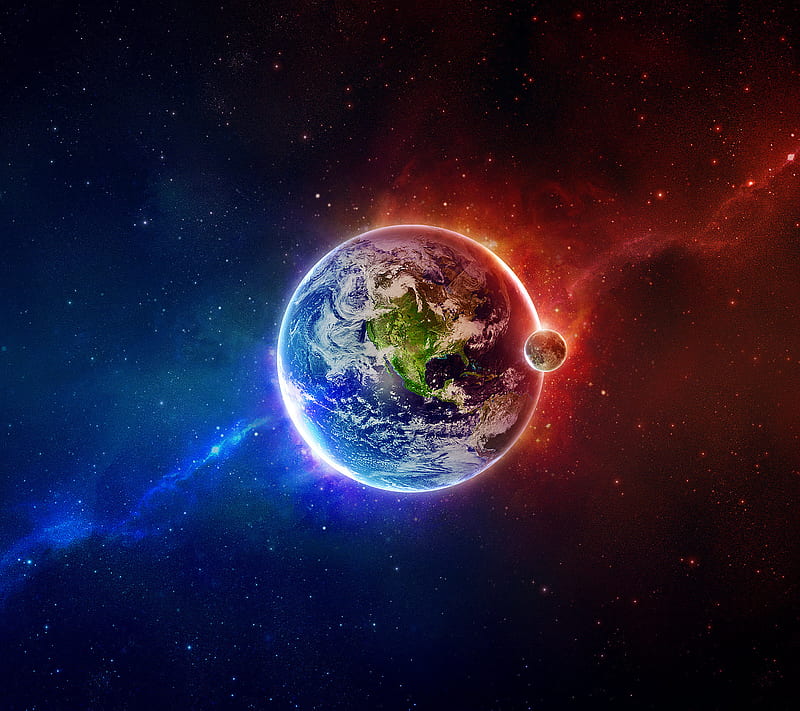
Rising seas are silently reshaping coastlines across the globe. Glaciers, ice sheets, and warming oceans are causing sea levels to rise faster than previously predicted. Entire cities, islands, and coastal regions face the reality of disappearing beneath water, potentially redrawing world maps within decades.
1. The Rate of Sea-Level Rise
Global sea levels have risen over 20 centimeters in the past century, but the pace is accelerating. Satellite data shows an annual rise of around 3.6 millimeters, which may seem small but compounds yearly. Thermal expansion of seawater and accelerated ice melt in Greenland and Antarctica contribute to this trend.
Scientists warn that under current emissions scenarios, seas could rise by 1–2 meters by 2100, enough to submerge low-lying countries, major cities, and critical infrastructure.
2. The Human Impact
Coastal megacities such as New York, Lagos, Dhaka, Jakarta, and Miami are on the front lines. Rising waters threaten homes, businesses, and livelihoods. Millions may become climate refugees, forced to leave cities their families have inhabited for generations.
Small island nations like the Maldives and Tuvalu face existential threats, potentially vanishing from maps entirely. Entire cultures, histories, and economies are at risk of being erased by rising seas.
3. Economic Consequences
Coastal flooding damages ports, trade infrastructure, and energy facilities. Global supply chains are vulnerable to disruption. Insurance costs skyrocket, real estate value declines, and governments must spend billions on flood defenses.
The economic ripple effects extend far inland, as displaced populations strain urban centers, agriculture, and social systems.
4. Environmental Impacts
Rising seas erode beaches, saltwater intrudes into freshwater supplies, and wetlands and mangroves are submerged. Fish and wildlife habitats are lost, coastal ecosystems collapse, and biodiversity declines.
Ocean currents may also be disrupted, intensifying storms, hurricanes, and extreme weather, which further accelerates coastal erosion.
5. Feedback Loops and Tipping Points
Ice-sheet melt accelerates sea-level rise, which then contributes to warmer ocean temperatures, melting even more ice — a self-reinforcing loop. Submerged permafrost releases methane, a potent greenhouse gas, which further accelerates climate change.
If tipping points are reached, some areas may experience sudden and dramatic inundation, rewriting coastlines faster than cities can adapt.
6. Geopolitical Risks
Rising seas could redraw political maps. Nations may lose territory, creating disputes over maritime borders, resources, and sovereignty. Large-scale migration could trigger social unrest, conflict, and global instability.
Countries with minimal contributions to climate change often bear the brunt, exposing deep global inequities.
7. The Bitter Reality
Sea-level rise is not a distant problem; it is happening now. Coastal erosion, flooding, and storm surges are already reshaping human settlement patterns. If emissions continue unchecked, world maps may look unrecognizable within a few generations.
Millions of people will be displaced, economies disrupted, and ecosystems devastated — all silently, as the oceans slowly reclaim the land.
Final Bitter Truth
Rising seas are quietly rewriting the story of the planet. Cities, nations, and lives may disappear without warning. The oceans do not negotiate — they advance. Humanity must confront the reality: the world as we know it is on the brink of irreversible transformation.





.jpeg)