“Rain Bombs” and Other Extreme Weather Surprises
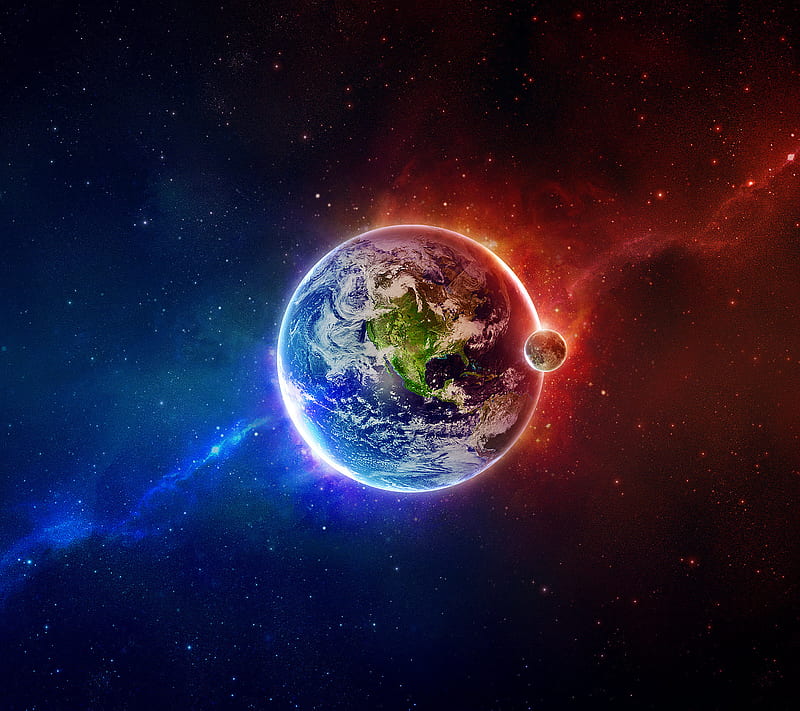
Across the globe, weather patterns are no longer reliable. Sudden, violent downpours called
“rain bombs”, flash floods, unexpected tornadoes, and blistering heat waves are becoming normal. These extreme weather events are not anomalies; they are the bitter reality of a climate system destabilized by humans.
1. What Are “Rain Bombs”?
Rain bombs, also known as cloudbursts, occur when a huge amount of rain falls in a very short period over a localized area. Some areas receive more than an inch of rain in a few minutes, overwhelming drainage systems and causing instant flooding.
These events can destroy roads, homes, and farmland in minutes. Rivers rise so fast that residents have no time to evacuate, and flash floods sweep away vehicles and livestock.
2. Extreme Weather Is Becoming More Frequent
Studies show that events like rain bombs, hurricanes, heat waves, and tornadoes are becoming more common, stronger, and less predictable. Climate change amplifies atmospheric instability, increasing the energy available for storms.
The result is a world where meteorologists struggle to forecast storms accurately, leaving populations unprepared for sudden disasters.
3. The Hidden Consequences
Beyond immediate destruction, extreme weather events disrupt agriculture, water supply, and energy grids. Floods contaminate drinking water, heat waves destroy crops, and sudden storms erode soil.
Communities face long-term economic and social strain. Families lose homes, livelihoods, and even access to clean water. Insurance and government aid are often insufficient to cover the destruction.
4. Humans Are Making It Worse
Urbanization, deforestation, and the burning of fossil fuels intensify extreme weather. Cities with poor drainage systems experience catastrophic flooding during rain bombs. Deforested areas cannot absorb water, increasing the speed and volume of runoff.
Heat-trapping greenhouse gases warm oceans and the atmosphere, increasing evaporation and the intensity of storms. What was once rare is now becoming common.
5. Why Predicting Is Harder Than Ever
Traditional weather patterns are breaking down. Rivers flood where they never did before. Tornadoes appear in regions historically untouched. Snowfall happens in unexpected seasons. Scientists call it “climate chaos” — a system increasingly difficult to model.
Local populations may experience multiple extreme events in the same year — flash floods followed by drought, then heat waves, leaving no time to recover.
6. Ecological Collapse Risks
Rain bombs and other intense weather events damage ecosystems. Forests are stripped, wetlands destroyed, soil washed away. Aquatic life is harmed by sudden flooding that changes water temperature and chemistry. Polluted runoff spreads debris and chemicals across rivers and lakes.
The combination of human activity and climate change is not just altering weather — it is dismantling the natural systems that stabilize it.
7. The Human Toll
Millions of people live in areas vulnerable to extreme weather. Casualties occur, but the larger impact is economic and social. Communities repeatedly hit by floods or storms face chronic poverty, disrupted education, and migration pressure.
Developing countries are most vulnerable, yet their carbon footprint is far smaller than industrialized nations. The disparity highlights a bitter truth: those who contribute least to climate change often suffer most.
8. The Bitter Reality
“Rain bombs” and extreme weather surprises are no longer rare anomalies — they are the new normal. Humanity cannot ignore these threats. Every storm, flood, or heat wave is a reminder that the climate system is fragile and our impact is accelerating destruction.
Cities, farms, and ecosystems will continue to face shocks. With every degree of warming, events become more violent, more frequent, and more unpredictable.
Final Bitter Truth
The era of predictable weather is over. Sudden storms, rain bombs, and extreme events are signals of a planet under stress — a harsh warning that the consequences of climate inaction are arriving faster than most people realize. Humanity must adapt — or risk permanent disruption of lives, economies, and natural systems.







.jpeg)