Nvidia has just released a new open‑source software called Alpamayo‑R1 for Self‑Driving Car Development
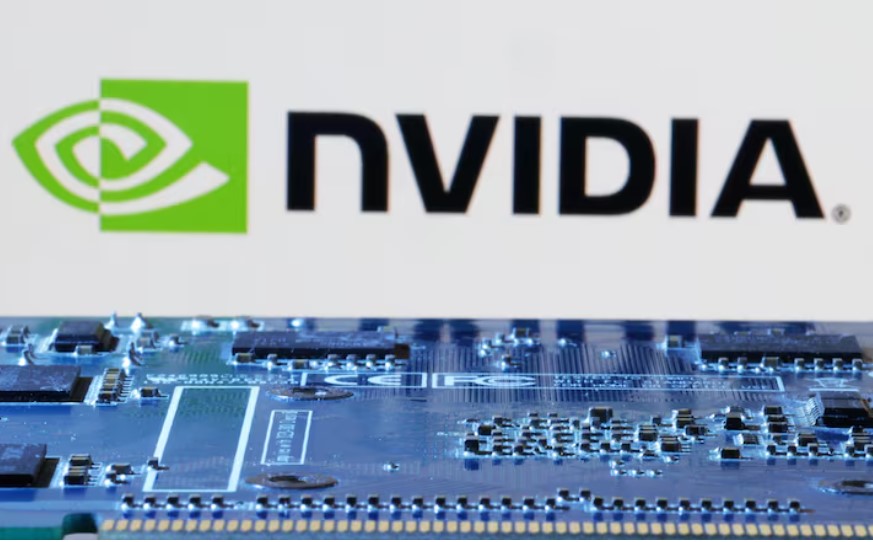
Nvidia has just released a new open‑source software called **Alpamayo‑R1**, aimed at accelerating the development of autonomous vehicles. This model uses a “vision‑language‑action” (VLA) approach — enabling a self‑driving car to interpret what its sensors see, describe it in natural language, and plan its actions accordingly. In other words, the car doesn’t just “see,” it can also “think aloud,” making it easier for engineers to understand how it makes decisions.
Quick Insight:
By releasing Alpamayo‑R1 as open source, Nvidia is inviting researchers, automakers, and developers worldwide to inspect, build on, and improve the software — which could speed up progress toward safer, more reliable self‑driving cars.
1. What Alpamayo‑R1 Does
• It processes sensor data (camera, lidar, etc.) and converts what the vehicle “sees” into natural‑language descriptions.
• The model then reasons about the scene, evaluates possible actions (like stopping, turning, avoiding obstacles), and selects the safest path — while producing a human‑readable explanation of its decisions.
• This transparency helps developers debug, test, and improve the decision‑making logic — critical for safety and regulatory evaluation.
2. Why It Matters for Self‑Driving Car Industry
• Traditional autonomous‑driving software often behaves like a “black box”: it makes decisions, but it’s hard to know why. Alpamayo‑R1 can help open the box — improving trust, safety, and accountability.
• Because it’s open source, smaller teams, startups or researchers — even without huge budgets — can access and experiment with advanced AI for self‑driving.
• Standardizing around shared, open tools can accelerate innovation — avoiding duplication of work and allowing more collaboration across companies, universities, and research labs globally.
3. What It Could Mean for the Future
• With more developers and researchers working on a common base, we may see faster improvements in safety, perception, and decision‑making for autonomous vehicles.
• As vehicles become better at “understanding” and “explaining” their environment, regulators might become more comfortable approving wider deployment of self‑driving cars.
• Eventually, this could help bring advanced self‑driving — once the domain of big auto firms — closer to smaller innovators and markets everywhere.
Final Thoughts
Nvidia’s open‑source release of Alpamayo‑R1 is a big move toward more transparent, collaborative, and accessible self‑driving technology. By letting anyone inspect and build on its work, the company helps democratize a field often reserved for a few large corporations — potentially speeding up progress toward safer, smarter autonomous vehicles worldwide.
Tip: If you’re interested in self‑driving tech — whether for research or future business — explore open‑source tools like Alpamayo‑R1. Collaboration and open innovation may shape the next generation of road safety and mobility.