Nasdaq Suffers Major Selloff as AI Rally Faces Reality Check After Strong Jobs Report
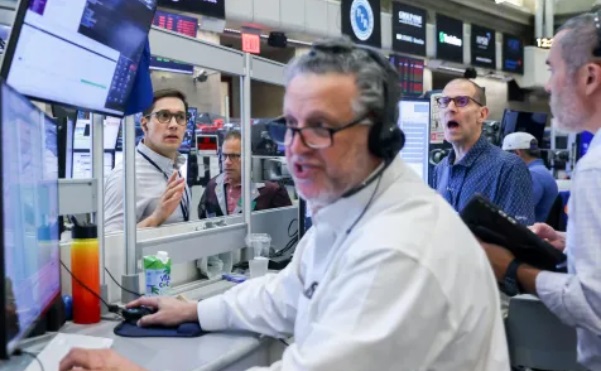
Wall Street's artificial intelligence boom encountered a significant setback after a stronger-than-expected U.S. jobs report triggered fears that interest rates could remain elevated for longer. The resulting selloff sent technology and semiconductor stocks sharply lower, raising fresh questions about whether parts of the AI market have become overheated.
Key Update: The Nasdaq fell more than 4% in its worst trading session in over a year as investors reassessed AI stock valuations following strong employment data that increased the likelihood of higher interest rates. Market strategists warned that investors may be entering a "warning zone" after months of AI-driven gains.
Why Stocks Fell Despite Strong Economic News
Normally, strong employment growth is considered positive for financial markets because it signals a healthy economy. However, investors reacted negatively because the robust jobs report suggests inflationary pressures may remain persistent.
A stronger labor market means consumers have more spending power, which can keep demand elevated. If demand continues to outpace supply, inflation may remain above the Federal Reserve's target, making interest rate cuts less likely and potentially increasing the chances of future rate hikes.
AI Stocks Lead the Decline
Technology and semiconductor companies were among the hardest-hit sectors during the market downturn.
Investors have poured enormous amounts of money into AI-related companies over the past two years, pushing valuations to record levels. When interest-rate expectations changed, many traders rushed to lock in profits, leading to a sharp decline in some of the market's biggest AI winners.
The Interest Rate Problem for AI Companies
AI companies are particularly sensitive to changes in interest rates because much of their value depends on earnings expected years into the future.
When Treasury yields rise, future profits become less valuable in today's terms. As a result, growth-oriented technology companies often experience larger share-price declines when investors anticipate tighter monetary policy.
Massive AI Spending Is Raising Concerns
The artificial intelligence boom has sparked an unprecedented wave of spending on data centers, chips, cloud infrastructure, and advanced computing systems.
Major technology companies are investing hundreds of billions of dollars into AI projects. While many analysts believe these investments will eventually generate significant returns, some investors are becoming concerned about whether spending is growing faster than actual profits and revenue.
Analysts Warn About Overcrowded Trades
Market strategists say AI stocks have become one of the most crowded investment themes on Wall Street.
When large numbers of investors own the same stocks, even minor disappointments can trigger significant selling pressure. Analysts noted that expectations for AI companies have become extremely high, making it increasingly difficult for firms to exceed market forecasts.
Broadcom's Outlook Sparked Additional Selling
The selloff accelerated after investors reacted negatively to guidance from semiconductor giant Broadcom.
Although AI demand remains strong, the company's outlook failed to exceed already lofty expectations, reinforcing concerns that the market may have become too optimistic about near-term AI growth.
Middle East Tensions Add Pressure
The market downturn was amplified by geopolitical concerns in the Middle East.
Escalating tensions involving Iran and Israel pushed oil prices higher, increasing fears that energy costs could fuel additional inflation. Rising oil prices make it more difficult for central banks to reduce interest rates, creating another challenge for technology stocks.
Investors Rotate Into Other Sectors
While technology stocks struggled, several other sectors performed relatively well.
Healthcare, financial services, consumer staples, utilities, and value-oriented stocks attracted investor interest as traders sought businesses that are less sensitive to interest-rate changes. This shift suggests that investors are diversifying away from the concentrated AI trade.
Is This an AI Bubble?
The answer remains highly debated.
Some analysts believe the recent selloff reflects excessive valuations and speculative behavior. Others argue that AI remains a transformational technology with genuine long-term economic value and that the correction simply represents a temporary adjustment after an extraordinary rally.
Several experts describe the current environment as a mix of strong fundamentals and localized bubble-like behavior in certain areas of the market.
What Investors Are Watching Next
Upcoming inflation reports, Federal Reserve policy signals, oil prices, and corporate AI spending plans are expected to determine the market's next direction.
Investors are also monitoring whether major AI companies can continue delivering the revenue growth needed to justify their elevated valuations. Any signs of slowing demand or weaker profitability could increase volatility further.
Final Thoughts
The Nasdaq's sharp decline highlights how quickly market sentiment can change when valuations become stretched and economic conditions shift. Strong employment data, rising bond yields, geopolitical tensions, and concerns about AI spending combined to trigger one of the largest technology selloffs in recent years.
However, many analysts caution against viewing the correction as the end of the AI revolution. Artificial intelligence continues to attract massive investment and remains one of the most significant technological developments of the modern era. The key question now is whether corporate earnings can eventually catch up with investor expectations.
Market Insight: Analysts believe the recent AI selloff is driven more by valuation concerns, rising interest-rate expectations, and profit-taking than by a collapse in long-term demand for artificial intelligence technologies.