OpenAI's Sam Altman Urges U.S. Lawmakers to Reject Mandatory AI Model Approvals
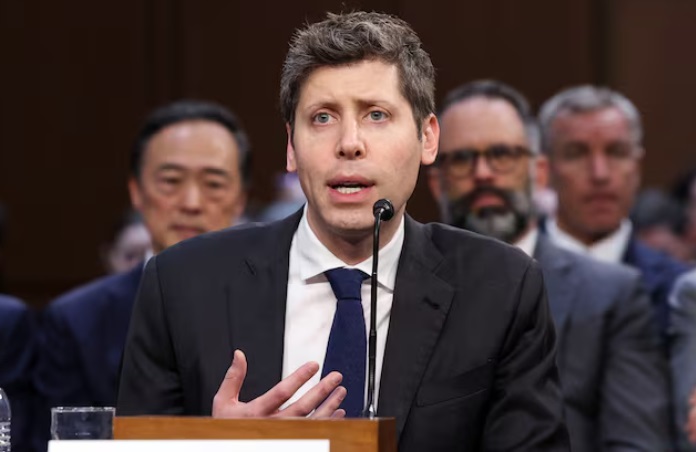
OpenAI Chief Executive Officer Sam Altman is expected to deliver a clear message to U.S. lawmakers: America should avoid requiring government approval before artificial intelligence companies release new AI models to the public.
The debate comes as policymakers grapple with how to regulate increasingly powerful AI systems while maintaining the country's competitive edge against rivals such as China. OpenAI argues that mandatory approval requirements could slow innovation, delay product launches, and weaken America's leadership in artificial intelligence.
Key Update: OpenAI CEO Sam Altman is urging U.S. lawmakers not to adopt proposals that would require AI developers to obtain government approval before releasing new models. Instead, the company supports expanded government testing and evaluation programs that focus on safety without creating mandatory pre-release approval systems.
OpenAI Pushes Back Against Approval Requirements
According to OpenAI, requiring AI companies to receive formal government approval before launching new models could significantly slow technological progress and create barriers for innovation.
Altman is expected to argue that the United States should encourage rapid AI development while maintaining appropriate safety measures. The company believes a mandatory approval process could delay releases, increase compliance costs, and potentially reduce America's competitiveness in the global AI race.
Why the Debate Is Intensifying
Artificial intelligence systems are becoming increasingly powerful, leading lawmakers, regulators, and security experts to examine whether stronger oversight is necessary.
Some policymakers have proposed frameworks that would require advanced AI models to undergo government review before public deployment. Supporters argue such measures could reduce risks related to cybersecurity, misinformation, critical infrastructure, and national security.
Technology companies, however, worry that overly restrictive regulations could slow innovation and place American firms at a disadvantage compared with competitors operating under less restrictive regimes.
OpenAI Supports Safety Testing Instead
Rather than mandatory approvals, OpenAI is advocating for expanded government testing programs.
The company wants increased resources for the U.S. Department of Commerce to evaluate advanced AI systems with assistance from experts in cybersecurity, biological threats, and national security. OpenAI believes this approach would improve safety oversight while avoiding lengthy approval processes that could delay technological progress.
The Trump Administration's New Approach
The discussion follows a recent executive order signed by President Donald Trump that encourages leading AI developers to voluntarily submit advanced models for government cybersecurity testing before public release.
The program is designed to identify vulnerabilities and security concerns while maintaining a cooperative relationship between government agencies and private technology firms. Major AI companies, including OpenAI, have expressed support for the initiative.
Balancing Innovation and Regulation
One of the biggest challenges facing policymakers is balancing innovation with public safety.
Advocates of stricter regulation argue that advanced AI systems could create significant risks if released without adequate safeguards. Critics of mandatory approval systems counter that excessive regulation could stifle innovation, reduce investment, and slow technological development.
The debate has become increasingly important as AI capabilities continue advancing at a rapid pace.
Growing Concerns About AI Risks
At the same time that OpenAI opposes mandatory approval requirements, the company and other AI leaders have supported targeted safety measures.
This week, executives from OpenAI, Anthropic, Google DeepMind, Microsoft AI, and other organizations backed efforts to strengthen safeguards against AI-assisted biological threats. Industry leaders have called for stronger screening of synthetic DNA and RNA orders to reduce potential misuse of advanced technologies.
Congress Faces Increasing Pressure
Lawmakers are under growing pressure to establish a national framework for AI governance.
A patchwork of state-level proposals and regulations has created uncertainty for technology companies operating across the country. Many industry leaders have urged Congress to develop consistent federal policies that provide clear rules while supporting innovation.
Competition with China Remains a Key Factor
National competitiveness remains a major factor in the policy debate.
American technology companies argue that burdensome regulations could slow development while rival nations continue investing heavily in artificial intelligence. Industry executives frequently emphasize the importance of maintaining U.S. leadership in AI research, infrastructure, and deployment.
What Could Happen Next?
As Altman meets with lawmakers in Washington, discussions are expected to focus on the future of AI oversight, testing standards, cybersecurity requirements, and federal regulatory authority.
Congress could ultimately pursue a range of approaches, from voluntary safety programs and industry partnerships to more comprehensive regulatory frameworks governing advanced AI systems. The outcome may significantly influence how artificial intelligence develops in the United States over the coming decade.
Final Thoughts
Sam Altman's latest visit to Washington highlights one of the most important policy questions facing the technology industry: how to regulate artificial intelligence without slowing innovation.
OpenAI's position is that safety oversight should focus on testing, evaluation, and collaboration rather than requiring government approval before every major AI release. Policymakers, meanwhile, must decide how to address growing concerns about security and public safety while preserving America's leadership in one of the world's fastest-growing industries.
The decisions made in Washington during the coming months could shape the future of artificial intelligence development for years to come.
AI Policy Insight: OpenAI is urging lawmakers to avoid mandatory government approval requirements for AI models while supporting expanded testing and safety evaluations aimed at reducing security and national-risk concerns.




1.jpeg)