Trump Administration Unveils New Tariff Proposal Aimed at Limiting Food Inflation and Chip Supply Disruptions
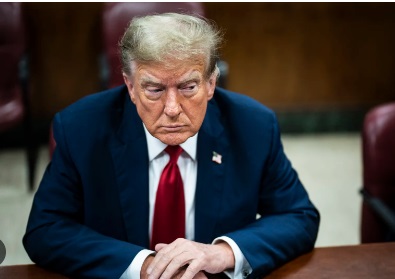
The Trump administration is reportedly developing a new tariff framework that could reshape global trade relationships while attempting to minimize pressure on food prices and the semiconductor industry.
The proposal would introduce fresh tariffs on imports from dozens of economies following legal setbacks that affected previous trade measures. However, policymakers are also seeking to shield consumers and critical technology sectors by exempting selected food products and materials used in semiconductor manufacturing.
Key Update: The proposed tariff plan would impose duties ranging from 10% to 12.5% on imports from approximately 60 economies while exempting key food products and semiconductor-related raw materials. The administration hopes the approach will maintain trade pressure without significantly increasing food inflation or disrupting AI and chip supply chains.
A New Chapter in U.S. Trade Policy
The latest proposal represents another major step in the administration's broader effort to reshape international trade relationships.
Officials are exploring new tariff authorities after legal challenges weakened previous measures. The administration argues that tariffs remain an important tool for addressing trade imbalances, strengthening domestic industries, and encouraging trading partners to adopt policies aligned with U.S. economic interests.
The proposal demonstrates how trade policy continues to play a central role in the administration's economic strategy heading into the second half of 2026.
Tariffs Could Affect Dozens of Economies
Under the reported framework, imports from around 60 economies could face new duties.
Some trading partners, including Canada, Mexico, the United Kingdom, and members of the European Union, would reportedly face tariffs of around 10%. Other countries, including China, India, and Brazil, could see tariffs reach approximately 12.5%.
The varying rates reflect the administration's assessment of trade practices, supply chain policies, and cooperation on broader economic objectives.
Food Products Receive Special Protection
One of the most notable aspects of the proposal is the decision to exempt several important food imports.
Products such as coffee, beef, tomatoes, and orange juice are reportedly being considered for exclusion from the tariff regime. Policymakers appear concerned that adding duties to these goods could increase grocery prices and place additional financial pressure on consumers.
The exemptions reflect growing awareness of inflation risks and the political sensitivity of food prices.
Protecting the Semiconductor Industry
The proposal also seeks to avoid disruptions to the rapidly expanding semiconductor sector.
Raw materials such as copper, nickel, and titanium, which play important roles in chip manufacturing and advanced technology production, are expected to receive exemptions. These materials are essential for data centers, artificial intelligence infrastructure, and next-generation computing technologies.
Officials appear determined to avoid creating bottlenecks that could slow investment in AI and advanced manufacturing.
AI Growth Influences Trade Decisions
The explosive growth of artificial intelligence is increasingly shaping government economic policies.
Demand for semiconductors has surged as technology companies invest heavily in AI data centers, cloud infrastructure, and advanced computing systems. Any disruption to semiconductor supply chains could have significant consequences for the broader technology sector.
By excluding critical chip-related materials from tariffs, policymakers are signaling that AI competitiveness remains a national priority.
Inflation Concerns Remain Central
Inflation continues to influence economic decision-making in Washington.
While tariffs can generate revenue and encourage domestic production, economists often warn that import duties can also increase costs for businesses and consumers. The administration's decision to exempt food products suggests a recognition that higher grocery prices could create economic and political challenges.
Balancing trade objectives with inflation control remains one of the administration's biggest policy challenges.
Legal Challenges Reshape Trade Strategy
The proposal emerges after previous tariff programs encountered legal obstacles.
Court decisions have forced policymakers to reconsider how future trade measures are structured and implemented. The administration is reportedly pursuing alternative legal pathways that could provide a stronger foundation for new tariffs while reducing the risk of additional court challenges.
The outcome could influence how future administrations use tariffs as an economic policy tool.
Global Markets Watch Closely
Investors, manufacturers, and trading partners around the world are closely monitoring the proposal.
Changes to tariff policies can influence supply chains, commodity prices, corporate investment decisions, and international trade flows. Businesses that rely on imported materials are particularly interested in understanding which products will be exempted and which will face additional costs.
Financial markets are likely to react as more details about the plan become available.
Potential Economic Impact
If implemented, the tariff plan could generate several outcomes.
Domestic industries may receive additional protection from foreign competition, while exempted sectors could avoid major disruptions. At the same time, affected exporters and multinational corporations may need to adjust supply chains and pricing strategies.
The long-term economic effects will depend on how trading partners respond and whether exemptions successfully limit inflationary pressures.
Final Thoughts
The Trump administration's latest tariff proposal highlights the increasingly complex relationship between trade policy, inflation management, and technological competition. By targeting dozens of economies while exempting key food products and semiconductor materials, policymakers are attempting to balance multiple economic priorities at once.
The plan reflects a broader shift in global trade strategy where governments are not only focused on tariffs and trade balances but also on securing critical supply chains for technologies such as artificial intelligence. As the proposal moves forward, its impact on consumers, businesses, and international markets will be closely watched around the world.
Business Insight: The proposed tariff framework demonstrates how modern trade policy is increasingly linked to inflation control, supply chain security, artificial intelligence development, and geopolitical competition. Exemptions for food and semiconductor materials indicate that economic resilience is becoming as important as traditional trade objectives.




















1.jpeg)