U.S. Lawmakers Prepare to Question Rubio as Iran Conflict Enters Fourth Month
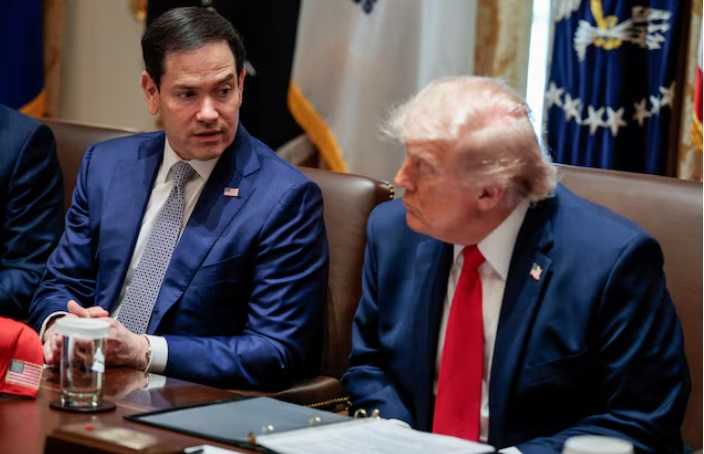
U.S. Secretary of State Marco Rubio is set to face lawmakers in a series of high-profile congressional hearings as the conflict involving Iran enters its fourth month, placing growing pressure on the Trump administration to explain its strategy and objectives.
Rubio, who also serves as National Security Adviser, is expected to answer questions from members of both the Senate and House of Representatives regarding the administration's foreign policy priorities, military operations, and plans for ending the prolonged conflict.
Key Update: Members of Congress are seeking greater clarity from Secretary of State Marco Rubio on the administration's strategy for ending the Iran conflict, as concerns grow over rising energy costs, military spending, and the long-term direction of U.S. foreign policy.
Rubio Faces Public Questions for the First Time
Rubio has participated in private briefings with lawmakers since the conflict began, but this week marks one of his first major public appearances before Congress specifically addressing the war.
Lawmakers from both parties are expected to press him on military objectives, diplomatic efforts, and the administration's plans for bringing the conflict to an end. The hearings are likely to attract significant attention given the war's impact on global markets and regional stability.
Congress Seeks Answers on Long-Term Strategy
Several lawmakers have expressed concern that the administration has not fully explained its long-term strategy regarding Iran.
Members of Congress want more information about how the White House intends to achieve its goals, what conditions would allow the conflict to end, and whether ongoing negotiations with Tehran could eventually produce a diplomatic settlement. The hearings are expected to provide one of the clearest opportunities yet for lawmakers to publicly challenge administration officials on these issues.
Budget Debate Adds Pressure
Rubio's testimony comes as the administration seeks congressional approval for significant changes to federal spending priorities.
The White House has proposed a major reduction in foreign affairs spending while simultaneously requesting a substantial increase in military funding. Critics argue that such changes require a clearer explanation of how they fit into broader U.S. foreign policy goals. Lawmakers are expected to question whether increased defense spending alone can resolve the challenges posed by the ongoing conflict.
Energy Prices Become a Political Issue
One of the most pressing concerns for lawmakers is the impact of the conflict on energy markets.
Disruptions linked to the war have contributed to higher fuel prices, creating economic pressure for consumers and businesses. Several members of Congress have argued that reducing tensions and restoring stability to global energy routes should be a top priority. With elections approaching later in the year, rising gasoline prices have become an increasingly sensitive political issue.
Growing Bipartisan Concerns
Although support for the administration remains strong among many Republicans, signs of concern have emerged within both major political parties.
Some lawmakers have questioned whether Congress has received enough information about military operations and future objectives. Others have called for greater oversight of decisions involving military engagement abroad. The debate reflects broader questions about the balance between executive authority and congressional oversight during periods of conflict.
Iran Deal Discussions Continue
The congressional hearings are taking place as diplomatic efforts continue behind the scenes.
Iran is reportedly studying a U.S. proposal aimed at reducing tensions and potentially creating a pathway toward a broader settlement. While negotiators have indicated that progress is possible, significant disagreements remain unresolved. Lawmakers are expected to ask Rubio whether diplomacy can realistically produce results and how any potential agreement would be implemented.
War Powers Debate Returns
Questions about presidential authority have also become a major topic in Congress.
Earlier efforts to limit or review military operations through congressional action generated significant debate, with lawmakers disagreeing over how much authority the executive branch should have during ongoing conflicts.The issue could resurface during Rubio's testimony as members seek clarification on future military decisions.
Political Stakes Continue to Rise
The hearings come at a critical moment for the administration.
With the conflict entering its fourth month and economic pressures continuing to mount, lawmakers face increasing pressure from constituents seeking answers about costs, risks, and potential outcomes. How Rubio performs before Congress could influence public perceptions of the administration's handling of the crisis. Observers expect the hearings to be among the most closely watched foreign policy events of the year.
Final Thoughts
As the Iran conflict enters its fourth month, Secretary of State Marco Rubio faces growing demands for transparency and accountability from Congress. Lawmakers want a clearer understanding of the administration's military strategy, diplomatic objectives, and plans for restoring stability to global energy markets.
The hearings arrive at a pivotal moment when negotiations with Iran continue, economic concerns remain elevated, and political pressure is increasing in Washington. Whether Rubio can provide convincing answers may play an important role in shaping congressional support for future policy decisions and the next phase of U.S. involvement in the conflict.
Political Insight: The upcoming congressional hearings highlight growing bipartisan interest in understanding the long-term costs, objectives, and diplomatic options surrounding the Iran conflict as it enters its fourth month.




















.jpeg)