Israel Continues Strikes in Southern Lebanon Despite Pause in Planned Beirut Attacks
Israeli forces carried out fresh air and artillery strikes across southern Lebanon on Tuesday, continuing military operations against Hezbollah positions despite a diplomatic effort that temporarily halted a planned attack on Beirut.
The latest developments came after U.S. President Donald Trump intervened to prevent strikes on Hezbollah-controlled areas of the Lebanese capital. While attacks on Beirut were postponed, fighting continued in southern Lebanon, highlighting the fragile nature of ongoing efforts to reduce tensions between Israel and Hezbollah.
Key Update: Israel continued military operations in southern Lebanon after holding off a planned attack on Beirut following diplomatic intervention. The strikes occurred despite a recently announced proposal aimed at reducing hostilities between Israel and Hezbollah.
Strikes Continue Across Southern Lebanon
Israeli air and artillery attacks targeted locations in southern Lebanon on Tuesday as military operations against Hezbollah remained active.
The bombardment affected several areas, including locations around Nabatiyeh, where residents were warned to evacuate before strikes occurred. The attacks demonstrate that although pressure has eased around Beirut, southern regions remain at the center of the conflict.
Trump Intervention Delays Beirut Attack
The latest escalation followed direct diplomatic efforts by U.S. President Donald Trump aimed at preventing a broader confrontation.
According to reports, Trump urged Israeli Prime Minister Benjamin Netanyahu to hold off planned attacks on Beirut's southern suburbs, an area considered a Hezbollah stronghold. The intervention resulted in a temporary suspension of strikes targeting the Lebanese capital. The move was viewed as an effort to preserve ongoing diplomatic initiatives and prevent further destabilization of the region.
Hezbollah Accepts Partial Ceasefire Proposal
Lebanese officials announced that Hezbollah had agreed to a U.S.-backed proposal calling for a mutual halt to certain attacks.
Under the arrangement, Israel would refrain from striking Beirut and its southern suburbs while Hezbollah would suspend attacks against Israel. However, the agreement does not constitute a full ceasefire and does not automatically halt military operations elsewhere in Lebanon. As a result, hostilities have continued in southern parts of the country even as attacks on Beirut remain paused.
Conflict Remains Active Despite Diplomatic Efforts
The fighting between Israel and Hezbollah has continued despite multiple attempts to broker ceasefires and de-escalation agreements.
Recent weeks have seen repeated Israeli airstrikes, artillery attacks, and ground operations in southern Lebanon, while Hezbollah has continued launching rockets and drones toward Israeli territory.
Military officials on both sides have indicated that they remain prepared for further escalation if negotiations fail.
Humanitarian Impact Continues to Grow
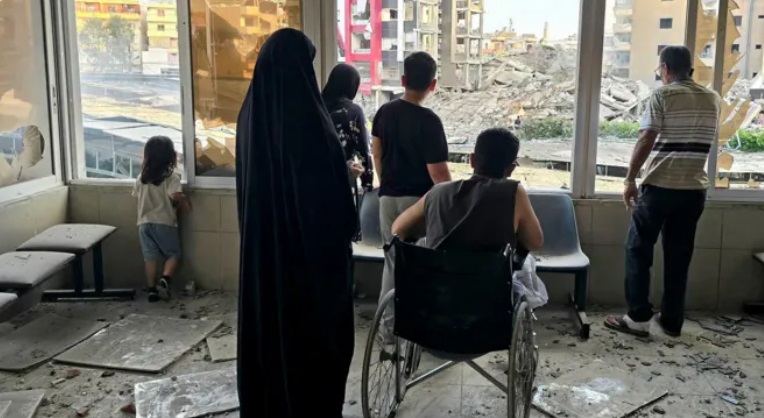
The conflict has created a significant humanitarian crisis across Lebanon.
More than one million people have reportedly been displaced from their homes since the latest phase of fighting began. Thousands of casualties have also been reported as communities across southern Lebanon and other affected regions face repeated attacks and evacuations. Aid organizations have warned that continued fighting could further strain humanitarian resources and worsen conditions for displaced civilians.
Southern Lebanon Remains a Strategic Battlefield
Southern Lebanon continues to play a critical role in the conflict due to its proximity to the Israeli border and the presence of Hezbollah forces.
Israeli military operations have expanded in recent weeks, with forces conducting strikes and limited ground activities beyond previously established security zones. Military leaders argue that the operations are intended to reduce threats against northern Israel. The region remains one of the most heavily contested areas in the ongoing confrontation.
Regional Tensions Complicate Peace Efforts
The conflict in Lebanon has become increasingly connected to broader regional tensions involving Israel, Iran, and international diplomatic initiatives.
Officials and analysts have expressed concern that renewed violence could undermine ongoing diplomatic discussions and make future peace efforts more difficult. Several governments continue to push for de-escalation while monitoring developments closely. The situation remains highly fluid as military actions and diplomatic negotiations unfold simultaneously.
What Happens Next?
Several possible outcomes remain under discussion.
Diplomatic mediators hope the limited arrangement involving Beirut can serve as a foundation for broader ceasefire negotiations. However, continued military activity in southern Lebanon suggests that significant obstacles remain before a comprehensive agreement can be achieved. Observers will be watching closely to see whether both sides honor existing commitments or whether the conflict expands further in the coming days.
Final Thoughts
Israel's decision to continue strikes in southern Lebanon while postponing attacks on Beirut illustrates the delicate balance between military objectives and diplomatic pressure. Although intervention from Washington helped prevent a potentially significant escalation in the Lebanese capital, fighting remains active across other parts of the country.
The partial arrangement involving Beirut represents a limited step toward reducing tensions, but the broader conflict between Israel and Hezbollah remains unresolved. With ongoing military operations, widespread displacement, and growing regional concerns, the path toward a lasting ceasefire continues to face significant challenges.
Global Affairs Insight: The latest developments demonstrate how military operations and diplomatic negotiations can unfold simultaneously. While attacks on Beirut were temporarily halted through international mediation, continued fighting in southern Lebanon shows how difficult it remains to achieve a comprehensive ceasefire.