Apple's Smart Glasses May Not Arrive Until 2027 as Company Focuses on AI and Wearable Technology
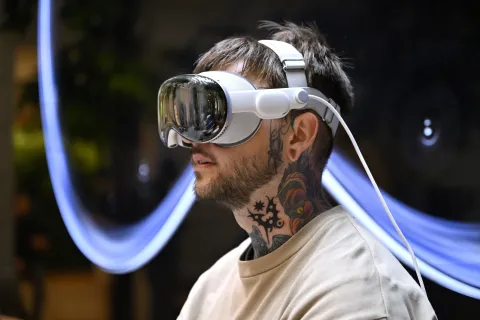
Apple's long-rumored smart glasses may not reach consumers until late 2027, according to multiple reports, as the company continues refining its next-generation wearable technology and artificial intelligence features. The delay reflects Apple's effort to ensure the product delivers a polished user experience rather than rushing into a rapidly growing smart glasses market.
The upcoming device is expected to become one of Apple's most important new hardware categories since the launch of the Apple Watch, with the company reportedly viewing smart glasses as a potential future platform for everyday computing and AI-powered assistance.
Key Update: Reports suggest Apple has pushed its smart glasses timeline toward late 2027 as it continues development of AI-focused wearable technology. The device is expected to compete with products such as Meta's AI glasses while serving as a stepping stone toward Apple's longer-term augmented reality ambitions.
Apple's Vision for Smart Glasses
Apple's reported strategy goes beyond simply creating another wearable gadget.
The company is believed to see smart glasses as a potential successor to some smartphone functions by providing users with hands-free access to information, communication tools, cameras, and artificial intelligence services. Industry observers compare Apple's approach to how it successfully transformed the smartwatch market with the Apple Watch. Rather than launching a full augmented reality headset in eyewear form, Apple appears focused on creating a lightweight and practical product that people can comfortably wear every day.
Why the Launch May Be Delayed
Reports indicate Apple is taking additional time to refine both the hardware and software powering the glasses.
Several challenges reportedly remain:
• Integrating advanced AI capabilities into a lightweight device
• Improving Siri's real-world usefulness
• Balancing battery life and performance
• Refining camera and computer vision systems
• Ensuring the product remains comfortable for daily use
• Creating a compelling experience that justifies a new product category
Apple has historically preferred delaying products rather than releasing unfinished technology, and analysts believe the company is applying the same philosophy to its smart glasses project.
Expected Features
Current reports suggest Apple's first smart glasses may focus heavily on artificial intelligence rather than full augmented reality.
Expected capabilities include:
• Built-in cameras
• Voice-controlled Siri interactions
• Photo and video capture
• Hands-free phone calls
• AI-powered environmental awareness
• Integration with iPhone services
Several reports indicate the initial version may not include built-in display technology, making it different from Apple's longer-term augmented reality plans.
Competing Against Meta and Others
Apple is entering a market that has become increasingly competitive.
Meta has already gained momentum with its Ray-Ban smart glasses partnership, helping introduce AI-powered eyewear to mainstream consumers. Reports suggest Apple is closely watching the growth of that market while developing its own alternative. Competition is also expanding beyond Meta, with Google recently re-entering the smart glasses space and several AI-focused hardware companies exploring wearable devices.
Artificial Intelligence Is Central to the Project
AI appears to be at the heart of Apple's smart glasses strategy.
Industry reports suggest the glasses could serve as an always-available gateway to Apple Intelligence features, allowing users to interact with digital assistants more naturally while moving through the real world. Potential AI functions may include:
• Real-time assistance
• Context-aware recommendations
• Voice-based interactions
• Visual recognition features
• Navigation support
• Everyday productivity tools
Success will likely depend heavily on how effectively Apple integrates AI into the wearable experience.
Part of a Larger Wearable Ecosystem
Reports suggest Apple is exploring multiple AI-powered wearable products beyond smart glasses.
Industry sources have mentioned:
• Camera-equipped AirPods
• New wearable AI accessories
• Future augmented reality devices
• Expanded Apple Intelligence hardware
These efforts indicate that Apple may be building an ecosystem of AI-enhanced devices designed to work together rather than relying entirely on the iPhone as the center of its product strategy.
Why Smart Glasses Could Be Important for Apple
The smart glasses market represents a potentially massive opportunity.
Unlike smartphones, which have matured into a slower-growth market, wearable AI devices remain in the early stages of development. Some analysts believe smart glasses could eventually become one of the most important consumer technology categories of the next decade. If Apple succeeds, the company could establish another major hardware platform that expands its ecosystem and strengthens customer loyalty.
Looking Beyond 2027
Apple's first smart glasses may only be the beginning of a much larger roadmap.
Reports suggest future generations could eventually introduce:
• Advanced augmented reality features
• Health-focused capabilities
• More sophisticated AI functions
• Enhanced visual displays
• Deeper integration with Apple's ecosystem
The initial version appears designed to establish a foundation that can evolve over time as technology improves.
Final Thoughts
Apple's reported decision to delay its smart glasses until 2027 highlights both the promise and complexity of the emerging AI wearable market. Rather than rushing to compete directly with existing products, Apple appears focused on creating a device that combines practical everyday functionality with powerful artificial intelligence capabilities.
While the first generation may not deliver the fully immersive augmented reality experience many people once imagined, it could mark an important step toward a future where wearable AI becomes a central part of daily life. If Apple successfully brings its design philosophy, ecosystem integration, and AI ambitions together, smart glasses could eventually become one of the company's most significant product categories since the iPhone and Apple Watch.
Tech Insight: Apple's smart glasses are reportedly being designed as AI-first wearable devices rather than full augmented reality headsets. Industry analysts believe wearable AI could become the next major consumer technology platform after smartphones.










.jpeg)