U.S. Moves to Block Nvidia AI Chip Shipments to Chinese Firms Through Overseas Subsidiaries
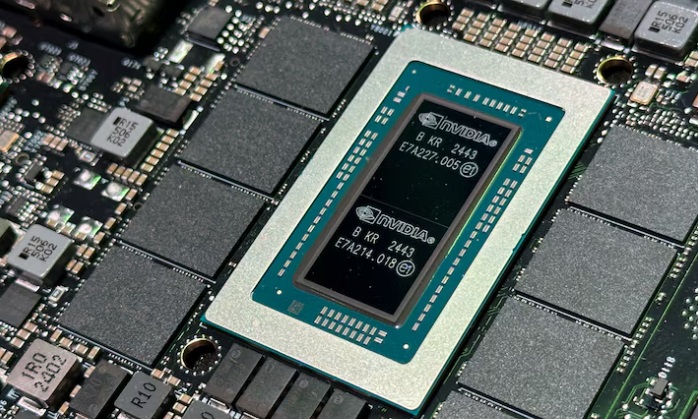
The United States has taken another step in its effort to restrict China's access to advanced artificial intelligence technology, issuing guidance aimed at preventing Chinese companies from obtaining cutting-edge AI chips through subsidiaries located outside mainland China.
The move targets some of the world's most powerful AI processors and reflects Washington's determination to close potential loopholes in existing export controls as competition between the United States and China intensifies in the race for AI leadership.
Key Update: The U.S. Commerce Department has issued new guidance designed to prevent Chinese firms from acquiring advanced AI chips through overseas subsidiaries. The move strengthens existing export controls and expands scrutiny beyond companies physically located inside China.
Washington Tightens AI Chip Restrictions
The latest guidance from the U.S. Department of Commerce is intended to ensure that advanced artificial intelligence chips do not reach Chinese companies through foreign-based subsidiaries or affiliated organizations.
Officials are concerned that some Chinese firms could potentially obtain restricted technology by purchasing hardware through entities located in other countries. Under the new guidance, ownership and control of a company are expected to receive greater scrutiny rather than focusing solely on the location where the purchase is made.
The move is part of a broader effort to protect technologies that U.S. officials consider strategically important to national security and economic competitiveness.
Advanced AI Chips Remain at the Center of the Dispute
The restrictions affect some of the most powerful AI processors currently available in the market, including advanced products developed by Nvidia and AMD.
These chips are widely used for:
• Training large artificial intelligence models
• Operating advanced AI systems
• Running high-performance computing workloads
• Supporting scientific research
• Powering enterprise AI applications
• Accelerating data center infrastructure
Because these processors are critical for modern AI development, governments increasingly view them as strategic technologies rather than ordinary commercial products.
Why the United States Is Taking Action
Washington has spent several years expanding restrictions on semiconductor exports to China. U.S. policymakers argue that advanced AI hardware could potentially support military modernization programs, cybersecurity operations, intelligence analysis, and other strategic initiatives.
The latest action reflects concerns that previous restrictions may not have fully addressed situations where Chinese companies operate through international subsidiaries. By clarifying enforcement rules, the Commerce Department hopes to prevent advanced technology from reaching organizations that would otherwise be restricted.
Nvidia Faces Growing Regulatory Challenges
Few companies have been affected by AI export controls more than Nvidia. The chipmaker has become the dominant supplier of AI processors worldwide, making its products highly sought after by technology companies, governments, and research organizations.
At the same time, Nvidia must navigate increasingly complex regulations governing where its most advanced products can be sold.
The company has previously developed modified versions of certain chips to comply with export restrictions, but ongoing policy changes continue to create uncertainty for both Nvidia and its international customers.
Impact on Chinese AI Companies
If the guidance is aggressively enforced, Chinese technology firms may face greater difficulty obtaining the latest AI hardware from U.S. suppliers.
Potential consequences include:
• Increased reliance on domestic chip manufacturers
• Greater investment in local semiconductor development
• Longer timelines for acquiring cutting-edge AI systems
• Acceleration of China's technology self-sufficiency efforts
• Expanded research into alternative hardware platforms
Many Chinese companies have already been investing heavily in domestic semiconductor capabilities in response to earlier export restrictions.
The Global AI Race Continues to Intensify
The dispute highlights how artificial intelligence has become one of the most important areas of competition between major global powers.
Countries around the world are investing heavily in:
• AI infrastructure
• Semiconductor manufacturing
• Advanced computing systems
• Research and development
• Data center expansion
• National AI strategies
Control over advanced chips is increasingly viewed as essential to future economic growth, technological leadership, and national security.
Challenges of Enforcement
While the guidance strengthens export controls, enforcement remains a significant challenge.
Authorities must monitor complex corporate ownership structures that span multiple countries and jurisdictions. Tracking where chips ultimately end up after shipment can also be difficult, particularly in global supply chains involving numerous distributors and partners.
As AI hardware becomes more valuable, regulators are expected to devote additional resources to monitoring compliance and preventing unauthorized transfers.
What This Means for the Semiconductor Industry
The latest restrictions are likely to increase compliance requirements across the semiconductor industry.
Manufacturers, distributors, and technology companies may need to:
• Conduct deeper customer due diligence
• Verify ownership structures more carefully
• Strengthen export compliance programs
• Monitor international transactions more closely
• Improve supply chain transparency
These requirements could add costs and complexity to the global semiconductor business while further reshaping international technology supply chains.
Looking Ahead
The new guidance is unlikely to be the final adjustment to U.S. export control policy. As artificial intelligence becomes increasingly important, regulators are expected to continue refining rules designed to prevent advanced technologies from reaching restricted organizations.
Technology companies will be watching closely to see how aggressively the guidance is enforced and whether additional measures are introduced in the coming months.
The outcome could influence not only the future of AI hardware exports but also the broader competitive landscape between the United States and China.
Final Thoughts
The U.S. government's latest action demonstrates how central advanced AI chips have become in global technology competition. By targeting potential loopholes involving overseas subsidiaries, Washington is signaling that export controls will continue evolving as companies adapt to existing restrictions.
For Nvidia and other semiconductor manufacturers, the challenge lies in balancing global demand for AI hardware with increasingly complex regulatory requirements. For Chinese technology firms, the move may further accelerate efforts to develop domestic alternatives and reduce reliance on foreign suppliers.
As artificial intelligence becomes a cornerstone of economic and technological power, access to advanced semiconductors will likely remain one of the most contested issues in international technology policy. The latest guidance represents another chapter in a rapidly evolving battle over the future of AI leadership.
Tech Insight: The U.S. is expanding AI chip export enforcement beyond China's borders by targeting overseas subsidiaries of Chinese firms. The move highlights the growing importance of advanced semiconductors in the global race for artificial intelligence leadership.
```