Pentagon Confirms U.S. Troops Targeted in War Zones Using Commercial Location Data
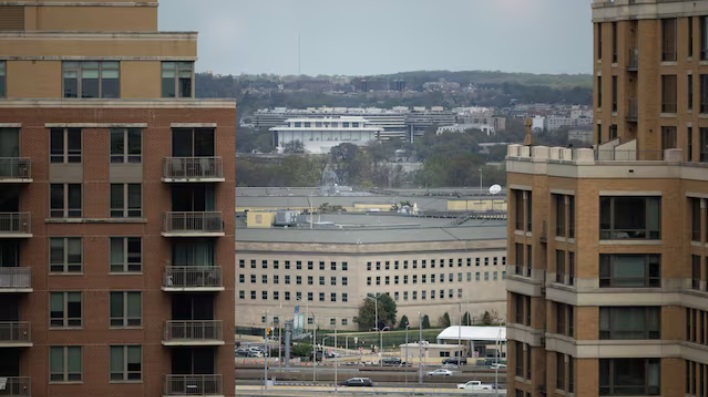
In a first-ever official confirmation, the U.S. military has acknowledged that American forces deployed to active war zones have been targeted using commercially available location data — the same information bought and sold by the digital advertising industry.
The disclosure, revealed through a Pentagon letter shared by Senator Ron Wyden, highlights how the global surveillance economy is reshaping modern battlefields and turning routine smartphone data into a weapon against U.S. troops.
Key Update: U.S. Central Command (CENTCOM) confirmed it received "multiple threat reports" showing adversaries exploited commercial location data to target or surveil U.S. personnel in theater. No specific incidents or locations were detailed.
Background: From Ad Tech to Battlefield Threat
Location data is routinely collected from smartphones and other devices by mobile apps and service providers. This data is then sold to data brokers, who collate and resell it — often through complex intermediary networks — for use in digital advertising.
While privacy advocates have long warned about the risks of selling people's daily movements on the open market, the national security implications have only recently drawn urgent concern. Adversaries can now identify where U.S. troops congregate, map their patterns of life, and exploit that intelligence to plan attacks using missiles, drones, roadside bombs, or for counterintelligence purposes.
The Pentagon's Confirmation
In a letter dated April 14 and shared with Reuters by Senator Ron Wyden (D-Oregon), CENTCOM wrote that it had "received multiple threat reports concerning adversary exploitation of commercial location data to target or surveil U.S. personnel in theater."
CENTCOM's area of responsibility includes the Gulf region, where U.S. forces are actively facing off against Iranian military forces over the Strait of Hormuz. The Pentagon confirmed it would respond directly to lawmakers but provided no additional details.
Lawmakers: "Treat Ad Tech as a National Security Threat"
Wyden and a bipartisan group of legislators sent a separate letter to the Pentagon on Thursday urging immediate action. They criticized military officials for not moving faster to protect personnel, given what was known about the location data trade.
"The threat to our troops is real and immediate," Wyden said in a statement. "It's time to start treating the adtech industry as a national security threat." The lawmakers noted that their efforts to obtain more specific information from military officials about the reported targeting had been unsuccessful.
Past Warnings Ignored
Concerns about location data exposing military operations are not new. As far back as 2016, one U.S. defense contractor used commercially available location data to track special operations forces from their bases in the United States to a sensitive staging post in Syria, according to an account first disclosed by the Wall Street Journal.
More recently, journalists at Wired and two German news outlets analyzed billions of coordinates obtained from a data broker to expose the granular movements of personnel stationed at or around 11 U.S. military and intelligence sites in Germany.
Recommended Actions for the Pentagon
The lawmakers' letter to the Pentagon outlined several specific steps to protect troops immediately:
- Disable unique advertising IDs attached to all military-issued devices
- Automatically turn off location sharing on smartphones when personnel are in the field
- Move away from Google's Chrome browser toward more privacy-focused alternatives on government devices
- Restrict how and when commercial location data can be collected from service members
The Chrome Browser Controversy
One of the letter's cosigners, U.S. Representative Pat Harrigan (R-North Carolina), a former U.S. Army Special Forces officer, was especially blunt about web browsers.
Harrigan said that browsers like Chrome "are built from the ground up to collect and share user data" and that every day they remain on government-issued devices "is another day we are handing our adversaries a weapon against our own troops."
In a statement, Google (which makes Chrome) defended its browser as having "industry leading security" and added that it had "long advocated for stronger rules and safeguards against data brokers."
Why This Matters Beyond the Military
The confirmation that U.S. troops have been targeted using commercial location data raises urgent questions for civilians as well. If adversaries can track America's most sensitive military assets using data bought openly from ad tech brokers, the same vulnerabilities apply to government officials, journalists, corporate executives, and ordinary citizens.
Privacy advocates have long argued that the unchecked trade in location data creates unacceptable risks. This military confirmation may finally force Congress and federal agencies to regulate an industry that has operated with minimal oversight for years.
Industry Response
Two major groups that represent digital advertisers — the Interactive Advertising Bureau (IAB) and the Association of National Advertisers (ANA) — did not respond to requests for comment from Reuters.
The data broker industry, which aggregates and sells location data to advertisers, government agencies, and other buyers, has resisted federal privacy legislation for years. However, growing evidence of national security harms may shift the political calculus in Washington.
The Bigger Picture: Surveillance Economy Meets Warfare
The CENTCOM confirmation represents a turning point in how both military planners and the public understand the risks of commercial data collection.
What was once seen as a relatively benign tool for targeted advertising has now been proven — in official government communications — to be a direct threat to the safety of American troops in war zones. The letter suggests that adversaries have already learned to weaponize the data economy, while U.S. defenses have lagged dangerously behind.
Final Thoughts
The Pentagon's acknowledgment that U.S. forces have been targeted using commercially available location data marks a watershed moment in digital security. For years, privacy advocates warned that selling people's real-time movements was dangerous. Now, with confirmation that American troops have been surveilled and targeted in active war zones using that same data, the debate has fundamentally shifted.
Lawmakers are demanding immediate changes: disabling ad IDs, restricting location sharing, and moving away from data-hungry browsers like Chrome. Whether the Pentagon acts fast enough — and whether Congress finally regulates the ad tech industry as a national security threat — will determine how many more threat reports CENTCOM has to receive before meaningful protection arrives.
Tech Insight: The commercial location data trade — long a privacy concern — is now an officially confirmed national security vulnerability. Ad IDs, smartphone tracking, and data brokers have given adversaries a new way to target U.S. military personnel in war zones.









.jpeg)